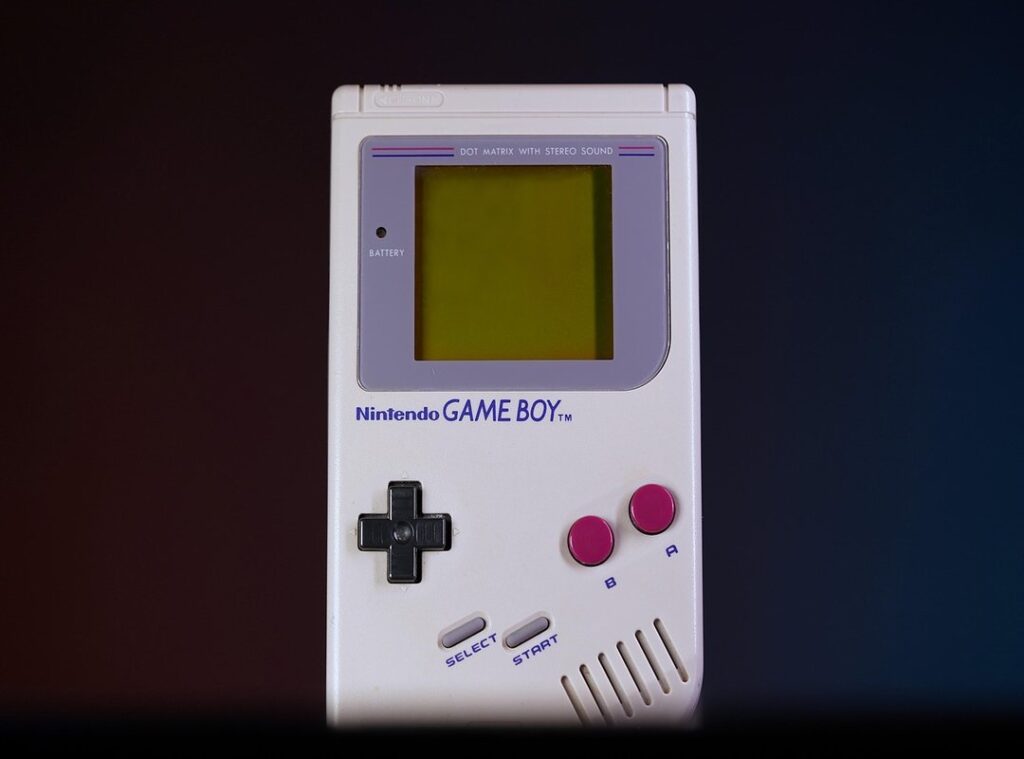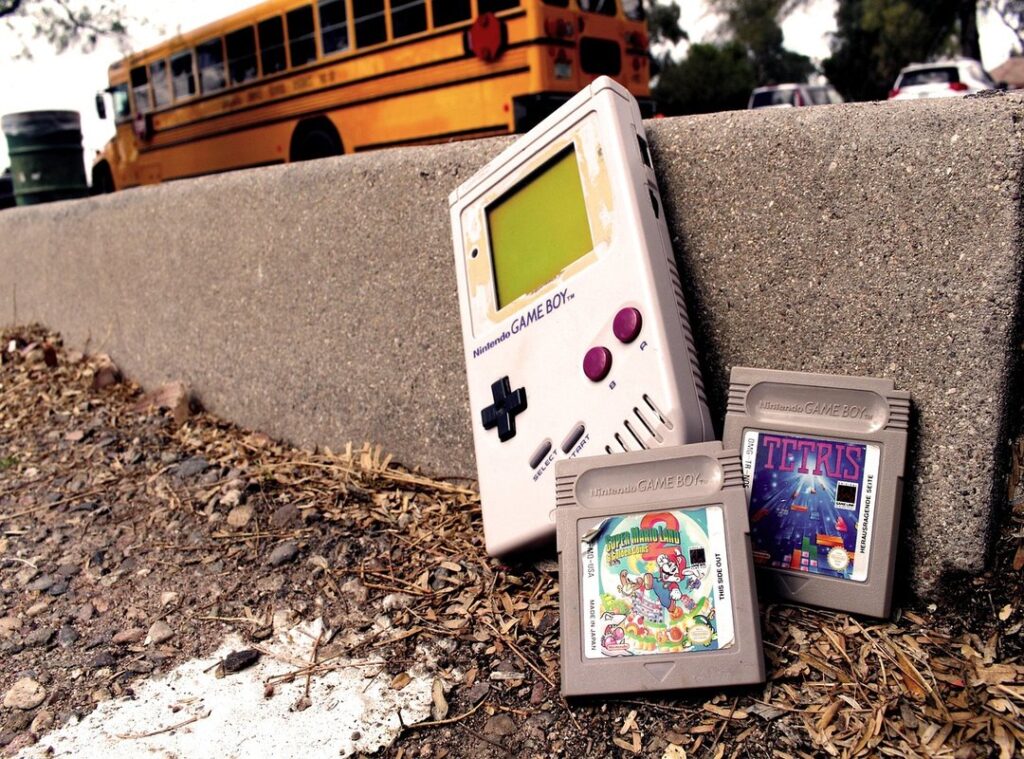
What made 90s gaming culture so special? It feels disconnected from what we see today, and that’s a problem. I want to take you back to the roots, exploring how those foundational elements shaped the gaming world.
This article dives into the social dynamics, technological shifts, and the camaraderie that defined a big decade. Remember the rivalries? The friendships formed over pixelated screens?
It’s all part of a rich mix that deserves more than a passing glance.
You should trust my perspective because I’m passionate about retro gaming history. I understand how it plays a key role in today’s interactive entertainment.
We’ll uncover the often-overlooked aspects of this lively community. You’ll get insight into the origins of the gaming friendships that shaped our pastime. So, join me as we unearth the lively world of the 90s gaming scene.
You won’t want to miss it.
Beyond the Screen: Arcades and Early Gaming Social Hubs
Remember arcades? Those dimly lit havens with the clanging of quarters and the glow of CRT screens were our epicenters of 90s gaming culture. They weren’t just about gaming; they were about community.
Places where we met, battled, and sometimes watched in awe as someone pulled off a legendary combo in Street Fighter II.
We’d gather around, not just to play, but to share tips (or brag, let’s be honest). It was a battleground and a classroom all at once. Arcades helped build local rivalries, but they also forged friendships.
Real ones, built face-to-face.
And then there were local multiplayer games at home. Think split-screen sessions with GoldenEye 007. You’d have your friends over, cramped on a couch, each trying to outwit the other.
This was social gaming before online multiplayer took over. We connected without headsets, truly sharing the experience side by side.
Miss those days like I do? They built the foundation for today’s gaming culture. If you want to dive deeper into the allure of old school RPGs, this guide might pique your interest.
Gaming wasn’t just a pastime; it was a lifestyle, and it all started beyond the screen.
The Digital Frontier: BBS, Usenet, and the Genesis of Online
Picture this: it’s the 90s and you’re a gamer. Connecting with others wasn’t just a few clicks away. Instead, we had Bulletin Board Systems (BBS) and Usenet.
The excitement of a new plan sent a kind of thrill through the community. A bold 90s gaming culture move, connecting us like never before.
They were the lifeline for gamers, a sort of Wild West of digital communication. BBS forums were where we swapped game files and shared plan guides. You could find patches, discussions, all sorts of things.
Usenet was another monster altogether. Rec.games.video, alt.games.quake and others became global meeting spots for debates and FAQs. We argued (a lot) and learned from each other.
Community moderation wasn’t just a buzzword; it determined the flow of conversation. Today’s forums owe a lot to those early days.
Challenges? Sure. Modem speeds were sluggish, and costs could skyrocket.
Connectivity hurdles were real. But that made every connection feel like an achievement. It was a dance of patience and perseverance.
The sense of discovery was unbeatable. You weren’t just playing games; you were part of something bigger, almost like finding long-lost family scattered across the world.
Console Wars: Fandoms Forged in Rivalry
Ah, the 90s gaming culture. It was a wild time, wasn’t it? Sega versus Nintendo.
A battle that was as intense as any sports rivalry. Fans picked sides like it was a blood oath, swearing allegiance to either the Genesis or the SNES. And let’s not forget the leap to the Nintendo 64 and PlayStation, which only deepened the divide.
But this rivalry had a silver lining. It pushed developers to innovate, constantly one-upping each other to keep fans hooked.
Now, let’s talk about PC gaming. It was the wild west of gaming, where freedom reigned. Modding and custom content became a playground for creativity.
Remember services like Kali and TEN? They were the precursors to the online gaming world we know today. PC communities formed, each with their own quirks and inside jokes.
They weren’t just playing games; they were shaping them.
These platform-specific communities weren’t just about playing games. They were about creating a culture, spreading the word about new titles, and pushing gaming to new heights. If you’re curious about why retro games feel timeless, this guide dives deeper.
So, which side were you on?
Print Power: Gaming’s Secret Weapon
Let me take you back to the 90s (an) era when gaming wasn’t just digital. It was ink on paper. Magazines like EGM and Nintendo Power weren’t just periodicals; they were treasure troves.
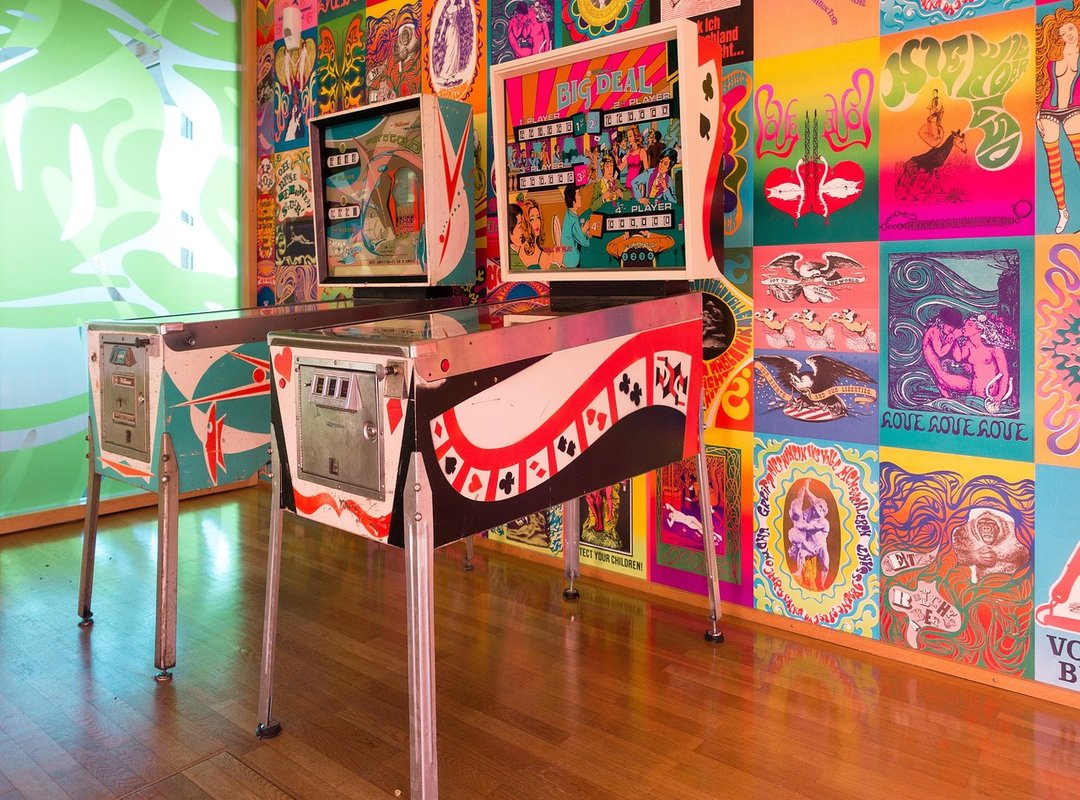
If you wanted the latest news, they had it. Reviews? Previews?
Community letters? All there, creating a shared culture among gamers. We didn’t just consume, we connected.
Am I right?
Plan guides were another beast entirely. Official or not, they provided walkthroughs and secrets that blew our young minds. They turned complex mechanics into something we could break down (well, often through trial and error).
And don’t even get me started on fan zines. Raw, passionate, and sometimes downright bizarre, zines gave us alternative views, forming niche community spaces.
But here’s the kicker. Before online gaming hubs took off, these resources were the connective tissue. They bridged gaps between players, creating a community just as strong as any online guild today.
If you want to see how print media shaped 90s gaming culture, just look at the legacy it left. It wasn’t just reading; it was an adventure all its own.
A Lasting Legacy: Gaming’s Golden Era
The 90s gaming culture wasn’t just about pixelated fun; it was the birthplace of innovations we take for granted now. Remember LAN parties? Those sweaty, cramped rooms where you could literally hear the frustration of losing a match?
That was the beginning of esports. We owe a lot to those pioneers who stayed up all night perfecting their craft.
Online matchmaking? It didn’t pop out of nowhere. It crawled its way up from the dial-up depths.
I remember the excitement of finally getting a match after hearing that iconic modem screech. Today, you click once and boom, you’re in a game. Simple, right?
Thank the 90s for that.
And let’s talk mods. The creativity of players back then was insane. They hacked, tweaked, and modded games, laying the groundwork for today’s content creation scene.
Ever played a weird Skyrim mod? Yeah, that’s a shout-out to 90s gamers.
So what did we learn? Community matters. Shared experiences are solid.
When people come together, magic happens. Understanding these roots doesn’t just enrich our appreciation (it) deepens it. Without the 90s, today’s gaming world wouldn’t be as interconnected and diverse.
Think about that next time you log on.
Reflecting on Our Gaming Roots
I hope this journey through 90s gaming culture has sparked your curiosity. Understanding the foundational elements of that era gives us context for the lively community we enjoy today. It matters because it connects us to our roots and enhances our appreciation for modern gaming.
So why not dive deeper? Pick up those classic titles you always loved or explore the history that paved the way for today’s trends. You’ll find that embracing this nostalgia isn’t just fun; it fuels your passion for gaming.
Let’s keep celebrating the joy of gaming together. What will you discover next?
 Gaming Analyst & Community Specialist
ClanDaria focuses on in-depth game analysis and community engagement at HMCD Retro. She brings a fresh perspective to classic titles, blending nostalgia with critical insight. Her work highlights gameplay mechanics, design evolution, and player experience. ClanDaria also interacts with the gaming community, fostering discussion and connection among users. She contributes expert tips and guides tailored for both new and experienced players. Her approachable style makes complex ideas easy to understand. Through her role, she strengthens the platform’s connection with its audience.
Gaming Analyst & Community Specialist
ClanDaria focuses on in-depth game analysis and community engagement at HMCD Retro. She brings a fresh perspective to classic titles, blending nostalgia with critical insight. Her work highlights gameplay mechanics, design evolution, and player experience. ClanDaria also interacts with the gaming community, fostering discussion and connection among users. She contributes expert tips and guides tailored for both new and experienced players. Her approachable style makes complex ideas easy to understand. Through her role, she strengthens the platform’s connection with its audience.