Creating your own game sounds like a dream, right? But the truth is, many aspiring indie game developers feel lost. The task can seem overwhelming.
Where do you even start?
I get it. The gaming world is complex. Development, marketing, community building.
It’s a lot to juggle.
I’ve been following this scene for years and seen how independent creators push boundaries. The history of gaming shows us that innovation thrives when people step away from corporate norms.
This article is here to help you get through that journey. I’ll break down the steps you need to take, making it easier for you to turn your vision into reality.
You’ll find practical takeaways and advice that come from years of observing the industry. Let’s demystify the path to becoming a successful independent game creator together. Get ready to open up your potential and make your mark in the gaming world.
The Spirit of Independence: What Defines an Indie Game Creator?
Being an indie game developer is all about creative freedom. You’re not shackled by corporate oversight or massive budgets. It’s just you (or) maybe a small team.
Chasing that vision. You know, the one that keeps you up at night.
Contrast this with AAA studios. They’re like Hollywood blockbusters, all flash and cash. The indie scene thrives on passion, often self-funded.
It’s not about flashy graphics; it’s about heart and soul. Ever played an indie game that hit you right in the feels? That’s what I’m talking about.
Historically, game development began with lone creators. Just a computer and a dream. Now, we’re seeing this indie renaissance.
It’s not new; it’s a glorious comeback. And it’s reshaping gaming. These developers push artistic boundaries, telling stories big studios shy away from.
Why does this matter? Because indie games drive innovation. They boost diverse narratives, showcasing voices you don’t always hear.
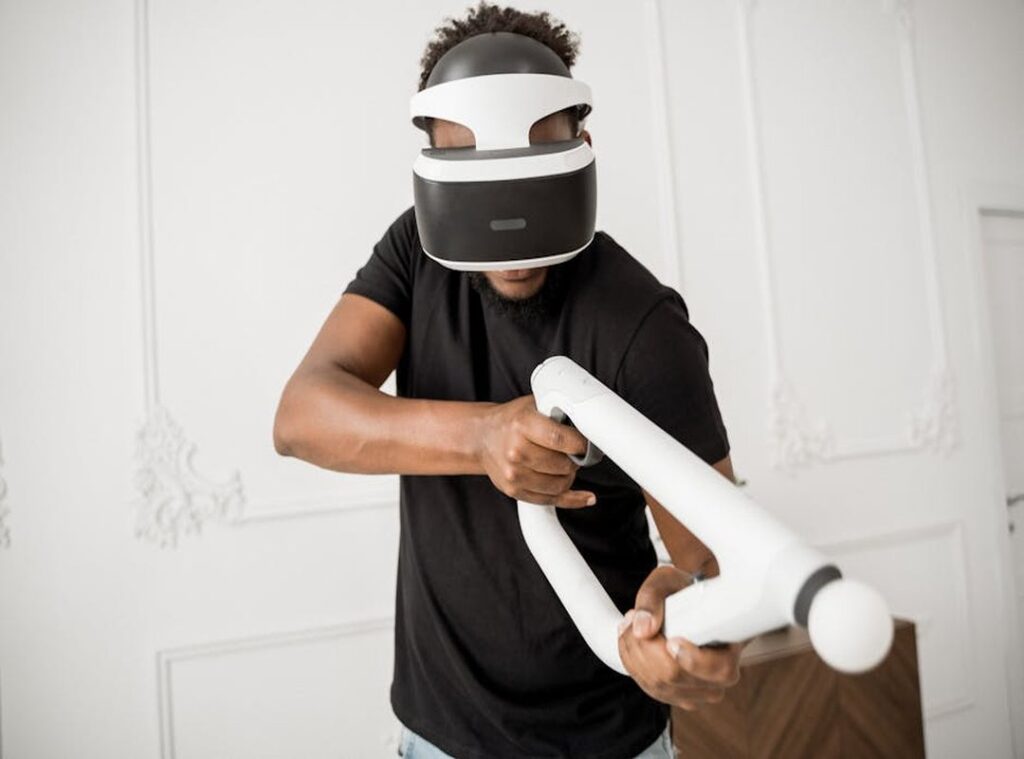
Want to dive deeper into how tech like virtual reality is changing the game? This guide might be your next stop.
, indie creators aren’t just making games. They’re crafting experiences that stick with you. That’s why we love them.
From Concept to Code: Your Indie Dev Journey
Here’s the deal. As a new indie game developer, the first step is to start small. Seriously.
Don’t dive into that epic RPG saga just yet. Focus on a manageable idea. Think of it like starting with an appetizer before the main course.
Otherwise, you’ll drown in complexity.
Let’s talk tools. Unity, Unreal Engine, GameMaker Studio, Godot. These are your potential best friends.
I find Unity pretty friendly for beginners. It’s like the of game engines (without sounding cliché). But if you’re more visual, maybe GameMaker Studio is your jam.
Check out this indie game developers article for more takeaways.
Prototyping is key. It’s like testing a joke on a friend before telling it at a party. Build quickly, test those core mechanics, and gather feedback.
Don’t waste time on the bells and whistles if the core doesn’t work.
Iterate, iterate. Break your project into sprints and stay flexible. Feedback is gold.
Scope management? Also gold. Avoid the dreaded feature creep.
It’s like adding too much to your pizza. Keep it simple.
You’ll find supportive folks ready to help you kickstart your journey. Got questions? Ask them.
Need resources? Dive into online tutorials, free courses, and development communities. They’re treasure troves for learning and free assets.
You’re not alone in this.
Indie Game Dev: Navigating Common Pitfalls with Smart Moves
Funding is a beast, isn’t it? Indie game developers face this constant challenge. You can self-fund, sure, but not everyone has a stash of cash lying around.
Crowdfunding platforms like Kickstarter and Patreon can be goldmines. If you know how to pitch your game right. Ever considered grants or competitions?
They’re out there, waiting for savvy devs to snatch them up.
Team building is another tricky terrain. Going solo has its perks. Total control, for one (but) it’s also lonely.
That’s key.
Building a small team can bring fresh ideas and skills, but you have to find the right people. Trust me, there’s nothing worse than a bad collaborator. Get clear on roles and communication.
Time management? It’s a dance. Set realistic goals and boundaries.
You deserve a life outside of coding, believe it or not. Burnout is real, so don’t push yourself to the breaking point.
Technical issues will always rear their ugly heads. Debugging and optimization? They’re part of the game.
Don’t shy away from online communities. They can be lifesavers when you hit a roadblock.
And hey, imposter syndrome? We’ve all been there. Celebrate the small wins.
They’re what keep us going. Keep pushing forward. You’ve got this.
Standing Out in the Indie Game Scene
You know what’s tough? Being an indie game developer in such a packed market. Everyone’s trying to find their Unique Selling Proposition.

But here’s the thing: you need to figure out what makes your game truly special. Is it a wild art style or a storyline that grabs you by the collar? Once you nail that down, you’re halfway there.
Now, let’s talk about community. Early engagement is key. Get on social media, chat in forums, and keep a devlog.
People love seeing progress. They want to be part of the journey. And don’t forget playable demos.
They’re a golden ticket for feedback and buzz. Ever tried an early access program? It’s a game-changer for refining your creation.
Networking is another biggie. Connect with other indie developers. Share your experiences.
Learn from theirs. You never know who might become a mentor or collaborator.
Want to know more about how genres are shifting? Check out the evolving game genres trending to stay informed. The space is always changing.
Keep up, and you might just capture that hard to find lightning in a bottle.
Launching Your Dream: Marketing and Post-Launch Strategies
You’re ready to launch, but how do you make a splash? Let’s talk press kits. I’ve seen more than my fair share.
A professional press kit is your passport to gaming journalists, streamers, and influencers. You want it sharp and to the point. Include a killer game description, high-res images, and a trailer that pops.
Got their attention yet?
Now, let’s improve those storefront pages like Steam or Itch.io. You need compelling descriptions and eye-catching visuals. Don’t forget strategic keywords.
Trust me, a good storefront page can make or break your launch.
Never underestimate the power of quality trailers and screenshots. They are your first impression. Show gameplay, atmosphere, and those unique features.
They need to wow viewers, not bore them.
Post-launch, don’t just disappear. Plan for patches, updates, and engage with your community. This keeps the player base loyal.
Different monetization models have their pros and cons. Whether it’s premium pricing or free-to-play, figure out what clicks with your audience. Indie game developers have a lot on their plates, but with the right strategies, success is within reach.
Start Your Game Creation Today
Independent game creation may feel overwhelming. It’s tough, but it’s also rewarding. You’ve got the tools and takeaways to tackle this journey.
Success comes from passion, planning, and a community. Remember that.
So what’s next? Take that first step. Brainstorm a concept.
Download a game engine. Join an online community of indie game developers.
You don’t have to go it alone. Get inspired by the gaming world around you.
The only way to move forward is to start. Dive in. Your adventure begins now.
What are you waiting for?
 Content Strategist & Lead Editor
kenji.splitscreen plays a central role in shaping the editorial direction of HMCD Retro. He oversees content planning, ensuring each article aligns with the brand’s nostalgic and analytical tone. With a strong background in gaming commentary, kenji.splitscreen specializes in crafting engaging reviews and insightful breakdowns. He manages the publishing workflow and maintains content consistency across the platform. His attention to detail ensures accuracy and depth in every piece. kenji.splitscreen is also responsible for identifying emerging trends in retro gaming. His work helps keep the platform relevant and informative.
Content Strategist & Lead Editor
kenji.splitscreen plays a central role in shaping the editorial direction of HMCD Retro. He oversees content planning, ensuring each article aligns with the brand’s nostalgic and analytical tone. With a strong background in gaming commentary, kenji.splitscreen specializes in crafting engaging reviews and insightful breakdowns. He manages the publishing workflow and maintains content consistency across the platform. His attention to detail ensures accuracy and depth in every piece. kenji.splitscreen is also responsible for identifying emerging trends in retro gaming. His work helps keep the platform relevant and informative.