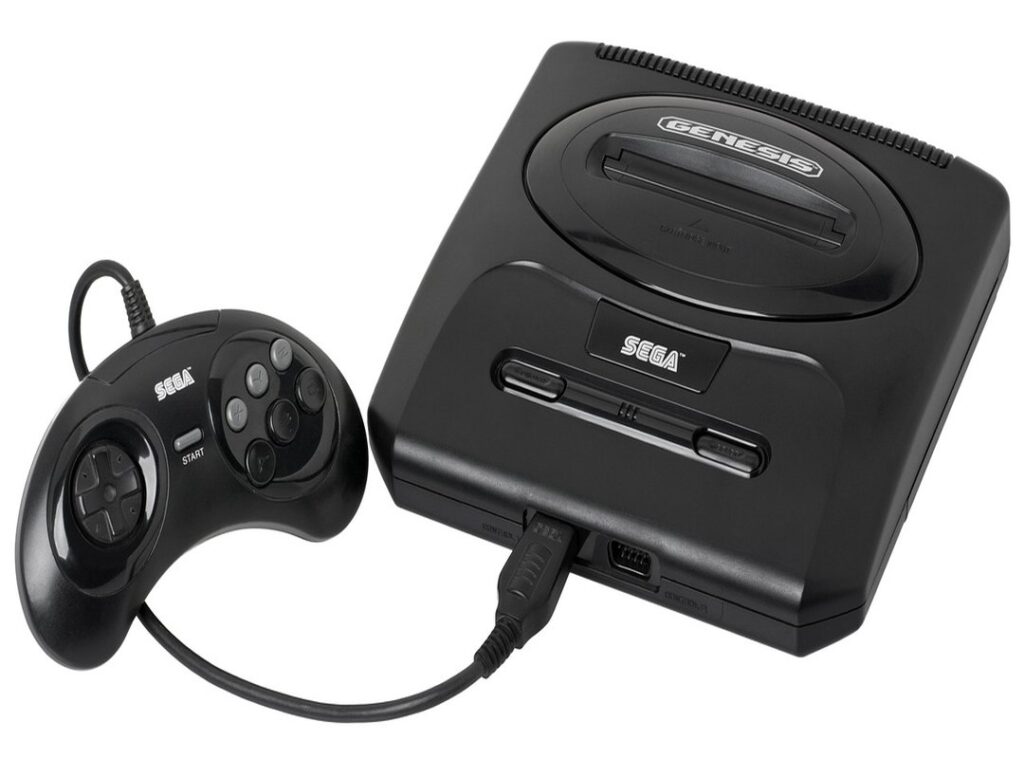
Classic video games have a flavor that modern titles just can’t replicate. What is it about those pixelated adventures that keeps us coming back?
You might wonder what made those old games so captivating. Was it the challenge or the simplicity?
In this article, I’m diving deep into the retro game mechanics that define these timeless experiences. I’ll break down the core ingredients that give these games their lasting power and charm.
I’ve spent countless hours immersed in these digital worlds, and I know what makes them special.
You’ll get clear definitions, insightful explanations, and mouthwatering examples of the features that matter most.
This isn’t just nostalgia; it’s a celebration of the elements that made gaming great in the first place.
Get ready to rediscover the magic of classic gaming. By the end, you’ll have a richer understanding of what makes these features irresistible.
Timeless Gaming: What Makes It Classic?
When we talk about “classic” gaming, it’s not just about age. It’s about those bold design choices that stick with us. A game feature becomes timeless not just by being old but by being new, accessible, and offering depth and replayability.
You know, the kind of things that make you want to pick up a game again and again.
But what exactly elevates a feature from “retro” to “timeless”? It’s more than nostalgia. Classic features often embody a “less is more” philosophy.
They’re not bogged down by unnecessary complexity. Think about those simple power-up systems or clear objectives that, despite technological limits, offered deep experiences.
Ever wonder why some games from decades ago still captivate us? It’s because they focused on what mattered: core mechanics.
If you’re struggling to figure out what makes a game classic versus just old, you’re not alone. The confusion is real. By the way, while you’re at it, working on improving gaming reflexes might just boost your experience with these timeless classics.
Isn’t it time we celebrated these features for their enduring impact?
Gameplay Gold: Timeless Mechanics in Retro Games
When you think about the magic of classic games, what comes to mind? For me, it’s the precise controls that make you feel part of the action. Think about Mario.
Every jump, every movement is spot on. You’re not just playing; you’re seamlessly interacting. The same goes for games like Mega Man, where the controls are so tight you can almost feel the blaster humming in your hands.
Now, let’s talk levels. Classic games like Metroid and Zelda didn’t just throw you into a map and say, “Go.” They crafted worlds that invited exploration. These non-linear levels had secrets and challenges that demanded you pay attention.
You couldn’t help but wander and discover. It’s like a good book, where each page tempts you to read one more.
And yet, nothing beats a game that challenges but doesn’t feel unfair. Remember those times you thought, “I can beat this”? Mastering that one tricky level left you on top of the world.
Games with well-balanced difficulty curves made losing feel like a lesson, not a punishment.
Finally, let’s dive into the magic of emergent gameplay. Even in early games, the sandbox elements allowed for creativity. Simple physics in puzzle games or quirky item combinations kept players experimenting.
This is where retro game mechanics shine. The core designs stick with us, proving they’re not just old. They’re legendary.
A Feast for the Senses: Retro Game Mechanics
Remember the first time you got lost in a pixelated world? Classic games, despite their technical limits, crafted immersive experiences. They didn’t need fancy graphics.
Instead, they turned limitations into strengths. Pixel art, with its limited color palettes, forced designers to be creative. This creativity birthed iconic visuals.
Think sprites in SNES RPGs or those lively arcade graphics. Ever notice how they stick with you?
Chiptunes. Ah, the magic of chiptune soundtracks. Those catchy melodies and unique sound effects aren’t just sounds.
They’re emotional anchors. Zelda’s overworld theme or Pac-Man’s eating sounds? They’re ingrained in our memory.
These tunes defined game identities.
Now, let’s talk storytelling. Classic games did more with less. Minimal dialogue, few cutscenes.
Yet, they conveyed deep narratives. How? Through environmental storytelling and player imagination.
You filled in the gaps. Didn’t you love that?
Some folks underestimate retro aesthetics. They shouldn’t. These games created deep atmospheres that modern titles sometimes miss.
If you’re diving back into these classics, consider important gear retro gamers. Trust me, it enhances the experience. Retro game mechanics aren’t just relics.
They’re a the power of simplicity.
The Secret Sauce: Replayability and Community in Classics
Ever wonder why some games keep pulling us back? It’s the retro game mechanics that work like magic. High score tables ignited a competitive fire.

I mean, who doesn’t love seeing their name at the top? Chasing those numbers made every game an adventure. And if you think about it, it’s not just about the scores.
It’s about bragging rights with friends and family. Remember those arcade days?
Then there are secret areas, unlockables, and Easter eggs. These hidden gems made us explore every pixel. They offered more than just extra lives.
They fed our curiosity and kept us hooked. You’d spend hours just trying to find that one hidden path. Admit it, you loved every second.
Local multiplayer brought us together, side by side. Games like Street Fighter II and GoldenEye? They turned living rooms into battlefields.
That face-to-face interaction? It’s something online gaming can’t replicate.
Even before the internet boom, some classics inspired modding and fan-created content. Players crafted their own challenges. That’s pure creativity.
Modern games sometimes miss this intrinsic replay value. They lack that social spark. So, let’s cherish these classics.
They made gaming a community experience, not just a solo mission. Feel the nostalgia yet?
Beyond Nostalgia: Classic Features Shaping Modern Gaming
You think classic gaming is just old news? Think again. Those retro game mechanics are still alive and kicking in today’s titles.
Indie developers are the biggest fans of the old-school vibe. They take classic mechanics and sprinkle some modern magic on them. Pixel art platformers and roguelikes are everywhere.
You know why? Because the simplicity and charm of retro aesthetics are irresistible.
Even the big-shot AAA titles can’t resist a nod to the past. Ever noticed how precise platforming in modern action games feels like a trip down memory lane? Or how open-world designs echo early adventure titles?
It’s not just coincidence. It’s a deliberate homage to the classics. The resurgence of pixel art and chiptune music proves there’s a hunger for nostalgia.
But it’s not just about looking back. It’s about evolving those timeless features.
Games like “Stardew Valley” show this beautifully. They take what worked back then and make it work even better now. Classic gaming isn’t just history.
It’s the foundation of modern gaming’s future.
Dive Back into Classic Gaming
Your search for the magic behind classic gaming is over. You’ve explored the important retro game mechanics that make these titles timeless. Now, revisit your favorite games with a fresh perspective.
Analyze the core mechanics, sensory design, and replayability features that kept us hooked for hours. Ask yourself what makes these games so special. Looking for more?
Discover mouthwatering retro content, reviews, and takeaways that will deepen your appreciation for gaming’s golden era. Don’t just play (experience.) Dive in now and continue your journey through retro gaming’s rich history. Your next adventure awaits!
 Founder & Creative Director
Lambro Lykosinos is the visionary behind HMCD Retro, driven by a deep passion for classic gaming and digital nostalgia. He founded the platform to preserve and celebrate retro gaming culture in a modern, accessible way. With a strong eye for storytelling and design, Lambro leads the creative direction and overall content strategy. His expertise spans game analysis, industry trends, and community building. He is committed to delivering authentic, high-quality content for dedicated gamers. Through his leadership, HMCD Retro has evolved into a trusted hub for retro enthusiasts. Lambro continues to shape the platform’s voice and long-term vision.
Founder & Creative Director
Lambro Lykosinos is the visionary behind HMCD Retro, driven by a deep passion for classic gaming and digital nostalgia. He founded the platform to preserve and celebrate retro gaming culture in a modern, accessible way. With a strong eye for storytelling and design, Lambro leads the creative direction and overall content strategy. His expertise spans game analysis, industry trends, and community building. He is committed to delivering authentic, high-quality content for dedicated gamers. Through his leadership, HMCD Retro has evolved into a trusted hub for retro enthusiasts. Lambro continues to shape the platform’s voice and long-term vision.