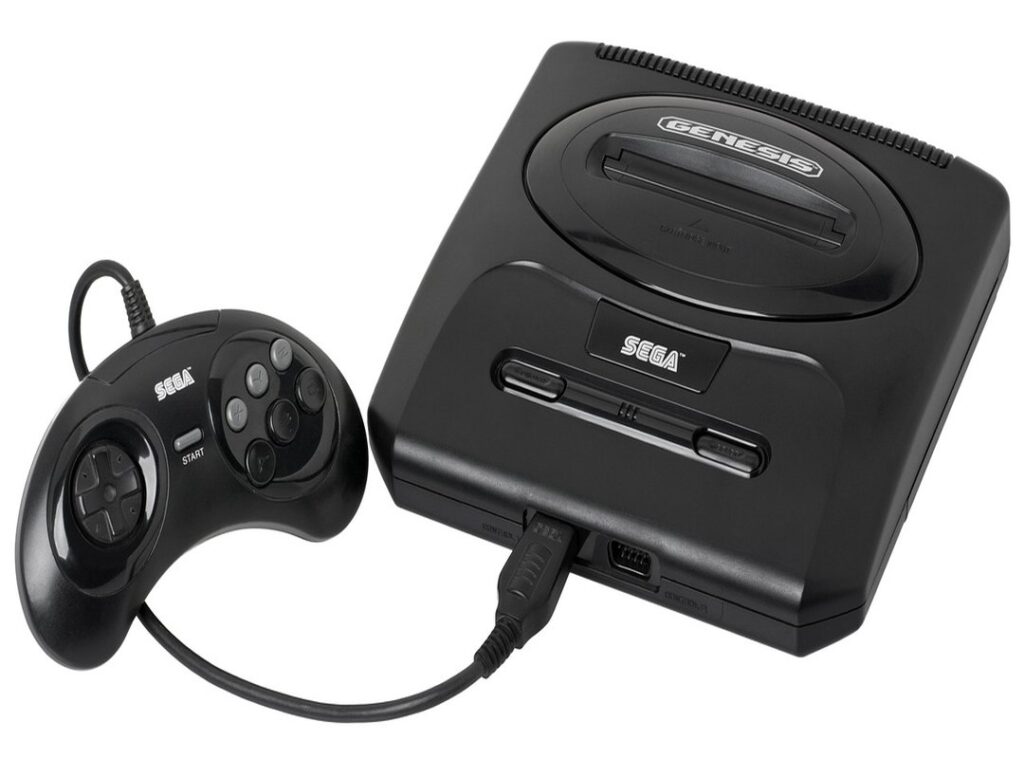
I’ve been digging through old game cartridges and dusty forums for years, and I keep coming back to one name that nobody talks about anymore.
HarmoniCode.
You’ve probably never heard of them. Most people haven’t. But if you were plugged into the right gaming circles in the 8-bit and 16-bit era, you knew their games were something special.
While everyone celebrates the big studios from that time, brilliant developers like HarmoniCode just disappeared. Their games are sitting in basements and forgotten hard drives, and a whole new generation has no idea what they’re missing.
I’m a retro gaming archivist. I spend my time tracking down these lost classics and making sure they don’t vanish completely.
This guide is your introduction to hmcdretro old school games from harmonicode. I’ll walk you through their best titles and show you why they mattered.
You’re here because you want to discover games that slipped through the cracks. Games that deserved more attention than they got.
I’ve got you covered.
The HarmoniCode Story: Masters of Pixel and Sound
You know that feeling when a game’s music hits you so hard you can still hum it decades later?
That’s what HarmoniCode did better than anyone.
Most studios in the late 1980s treated sound like an afterthought. Background noise to fill the silence while you jumped on platforms or shot aliens.
HarmoniCode saw it differently.
When Music Became Magic
They started small. A handful of developers in a cramped office who believed something most publishers thought was crazy. That a game’s soundtrack could be just as important as its controls.
Some people say that focus on audio was a waste of resources. That gamers only cared about graphics and gameplay. That pouring time into chiptune composition meant less time on what actually mattered.
But here’s what you get when you ignore that advice.
Games that stick with you. Not just for a weekend, but for life.
I still remember firing up their titles on my old console. The music would start and I’d get this rush. Like the game was pulling me into its world before I even pressed start.
That’s the benefit of their approach. When you play hmcdretro old school games from harmonicode, you’re not just playing a game. You’re experiencing something that was designed as a complete package.
The 16-bit era was their moment. While bigger studios fought over polygon counts and Mode 7 effects, HarmoniCode kept doing their thing. They released game after game that critics loved (even if sales numbers didn’t always match the praise).
Then the industry shifted to 3D in the late 90s. HarmoniCode didn’t make the jump. They dissolved quietly while everyone else chased the next big thing.
But here’s what’s wild.
Their games never really died. A whole community of retro enthusiasts at hmcdretro keeps their legacy alive. People who understand that sometimes the old way of doing things had something special.
The Crown Jewels: HarmoniCode’s Most Iconic Action & Adventure Games
Look, I’m not saying HarmoniCode invented the action-platformer.
But Pixel Paladin? That game had no business being as good as it was in 1991.
I remember the first time I picked up the controller. The jump physics felt PERFECT. Not floaty like some games where you’re basically controlling a balloon. Not stiff like you’re moving a brick with legs.
Just right.
The fantasy world they built was dripping with color. Castles that actually looked like places you’d want to explore (or run away from). Forests with enemies hiding in spots that made sense instead of just randomly spawning to ruin your day.
And that soundtrack? They squeezed every last bit of power out of the console hardware. Some of those boss themes still get stuck in my head when I’m trying to sleep.
Then came Chrono-Shifter in 1993.
Time manipulation in games wasn’t new. But most developers treated it like a gimmick. Press a button and everything slows down so you can feel like Neo from The Matrix.
HarmoniCode said nope. We’re going to make you actually THINK about when and how you use time shifts.
You got short bursts. That’s it. Use them to dodge an enemy attack or rewind a platform back to where you needed it. But waste your time shift on something stupid? Good luck with that puzzle now.
The top-down perspective let you see the whole battlefield. Which meant you had no excuse when you died (and you WOULD die).
What separated these hmcdretro old school games from harmonicode from everything else on the shelf?
The enemy patterns actually taught you something.
Most games just throw harder enemies at you and call it difficulty. HarmoniCode designed each enemy to test a specific skill. Once you figured out the pattern, you felt smart. Not lucky.
The level design respected your time.
Checkpoints appeared right before tough sections. Not a mile away so you had to replay easy parts over and over. They wanted you to master the hard stuff, not memorize the boring stuff.
Fair but demanding.
That’s the phrase that keeps coming up when people talk about old school gaming hmcdretro titles. You never felt cheated when you died. You knew exactly what you did wrong.
And when you finally beat that boss or solved that puzzle? Man, that feeling was worth every failed attempt.
Genre-Bending Gems: When HarmoniCode Broke the Mold

Most game studios in the early 90s played it safe.
They stuck to what worked. Platformers. Shooters. RPGs with the same tired formulas.
HarmoniCode didn’t get that memo.
Some people say taking creative risks in game development is foolish. They’ll tell you the market punishes innovation and rewards familiarity. And honestly, the sales numbers sometimes back that up.
But here’s what that argument misses.
Without studios willing to break the mold, we’d still be playing the same games over and over. Someone has to push boundaries, even if it means commercial failure.
Let me show you two titles that prove my point.
1. Starfall Syndicate (1994)
This wasn’t your typical space game.
Sure, you traded goods between planets. But every deal you made changed how characters saw you. Betray a faction for profit? They remembered. Help a struggling colony? Word spread.
The branching narrative adapted to your business decisions. I’ve never seen another game from that era tie economics and relationships together like this. Most space traders treated NPCs like vending machines.
What made it special: Your reputation wasn’t just a number. It opened doors or closed them. Some story paths only appeared if you’d built the right alliances through your trade history.
The hmcdretro old school games from harmonicode collection shows how ahead of its time this design was.
2. Rhythm Runner (1992)
This one flopped hard.
Players had to time every jump and attack to the music’s beat. Miss the rhythm and you’d fail. It was unforgiving and weird and nothing like what gamers expected.
But look at what came after. Guitar Hero. Dance Dance Revolution. Beat Saber.
Rhythm Runner laid groundwork that nobody appreciated at the time. It proved you could build entire gameplay systems around musical timing (even if the execution wasn’t perfect).
Why it matters now: Game historians point to this title as proof that commercial failure doesn’t mean creative failure. Sometimes you’re just too early.
The Real Story Here
HarmoniCode could’ve made safe sequels.
They could’ve copied what sold. Instead, they experimented. They failed sometimes. But they also created experiences you couldn’t find anywhere else.
That’s the kind of risk-taking we need more of. Not recklessness, but thoughtful innovation that pushes the medium forward.
Want to experience these genre-bending classics yourself? Check out the retro gaming guide hmcdretro for ways to play them today.
The Echo of Chiptunes: HarmoniCode’s Lasting Legacy
You see it everywhere in indie games today.
Tight controls that feel just right. Music that actually matters to the gameplay. Pixel art that doesn’t just look retro but feels intentional.
That’s HarmoniCode’s fingerprints all over modern game design.
Think about it. Games like Celeste and Hollow Knight didn’t invent these ideas. They learned from what worked decades ago when hmcdretro old school games from harmonicode showed us how it’s done.
The formula was simple. Make the controls responsive enough that when you die, you know it’s your fault. Sync the music to the action so every jump and dodge has rhythm. And yeah, make it look good with pixels that pop.
Now here’s the thing about playing these classics today.
You’ve got options. Retro gaming communities can point you toward emulation software that runs on pretty much anything. It’s legal if you own the original games (which most people forget).
Or you can hunt down the actual cartridges. They’re out there at conventions and online marketplaces. Just know what you’re looking for before you drop cash on something that might not work.
Either way works. The games still hold up because good design doesn’t age.
Your Journey into the HarmoniCode Collection
I’ve been hunting down forgotten games for years.
HarmoniCode sits at the top of my list. These developers created something special in the golden age of gaming, but somehow they slipped through the cracks.
You’re here because you want to know which hmcdretro old school games from harmonicode deserve your time. I get it. There’s too much noise out there about what’s worth playing.
This guide cuts through that noise.
HarmoniCode didn’t just make games. They built experiences around two things that mattered: gameplay that felt fresh and soundtracks you couldn’t forget.
That’s why these titles still hold up. The innovation wasn’t just a gimmick for its time.
You now have a roadmap to the essential HarmoniCode collection. No more wondering which games got lost to time or why they mattered.
Fire Up Your Console
It’s time to stop reading about these games and start playing them.
Power on your system. Press start. See for yourself why retro gaming fans still talk about HarmoniCode with that knowing smile.
These aren’t museum pieces. They’re living proof that great design never gets old.
Your next nostalgic gaming session just got a whole lot better.
 Founder & Creative Director
dylan1997 is the visionary behind HMCD Retro, driven by a deep passion for classic gaming and digital nostalgia. He founded the platform to preserve and celebrate retro gaming culture in a modern, accessible way. With a strong eye for storytelling and design, dylan1997 leads the creative direction and overall content strategy. His expertise spans game analysis, industry trends, and community building. He is committed to delivering authentic, high-quality content for dedicated gamers. Through his leadership, HMCD Retro has evolved into a trusted hub for retro enthusiasts. dylan1997 continues to shape the platform’s voice and long-term vision.
Founder & Creative Director
dylan1997 is the visionary behind HMCD Retro, driven by a deep passion for classic gaming and digital nostalgia. He founded the platform to preserve and celebrate retro gaming culture in a modern, accessible way. With a strong eye for storytelling and design, dylan1997 leads the creative direction and overall content strategy. His expertise spans game analysis, industry trends, and community building. He is committed to delivering authentic, high-quality content for dedicated gamers. Through his leadership, HMCD Retro has evolved into a trusted hub for retro enthusiasts. dylan1997 continues to shape the platform’s voice and long-term vision.