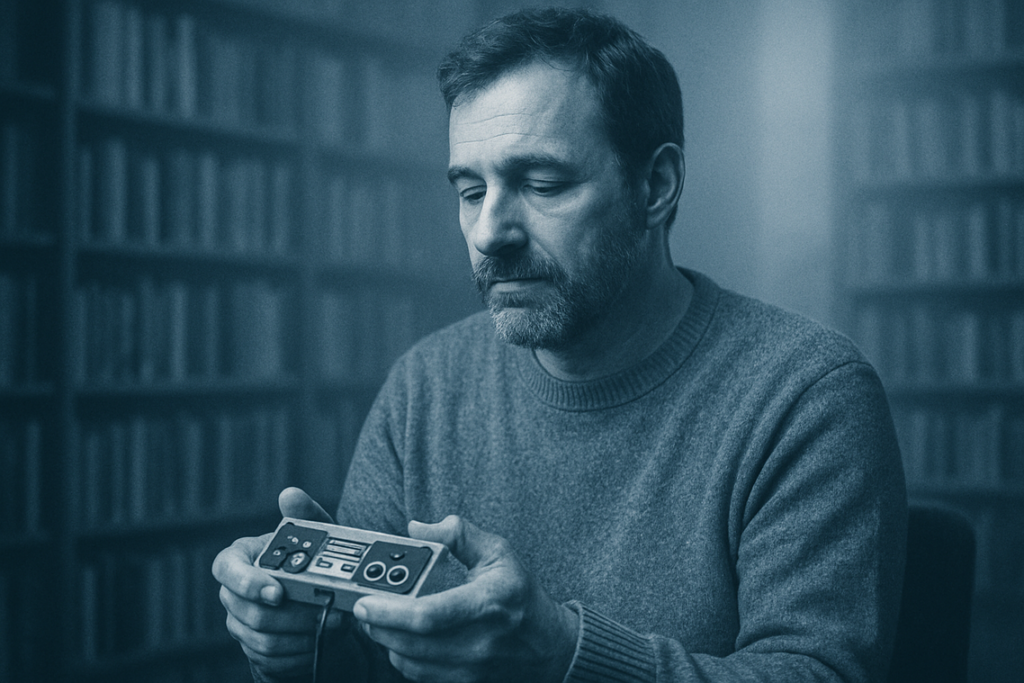
I remember the first time I held a controller and realized I was about to experience something that would stick with me forever.
You’re probably here because you want to get into old school gaming hmcdretro but don’t know where to start. The options are endless and everyone has a different opinion about what matters.
Here’s the truth: retro gaming doesn’t have to be complicated.
I’ve spent years playing these classics and helping people figure out which consoles and games are actually worth their time. Not everything that’s old is gold. Some games aged beautifully. Others didn’t.
This guide cuts through the noise. I’ll show you which retro consoles defined gaming and which games you absolutely need to play.
We focus on the experiences that mattered then and still hold up today. No filler. No obscure titles that only collectors care about.
You’ll learn which console fits your style, what games built entire genres, and how to start your collection without wasting money on stuff that looks better in memory than it plays in reality.
By the end, you’ll know exactly where to begin your retro gaming journey.
Defining the Eras: What Makes a Game ‘Retro’?
Here’s what I tell people who walk into my shop.
Retro isn’t just about age. It’s about the feeling you get when you pick up that controller.
But if you want to really understand old school gaming hmcdretro style, you need to know the eras. Each one brought something different to the table.
The 8-Bit Revolution (1983-1990)
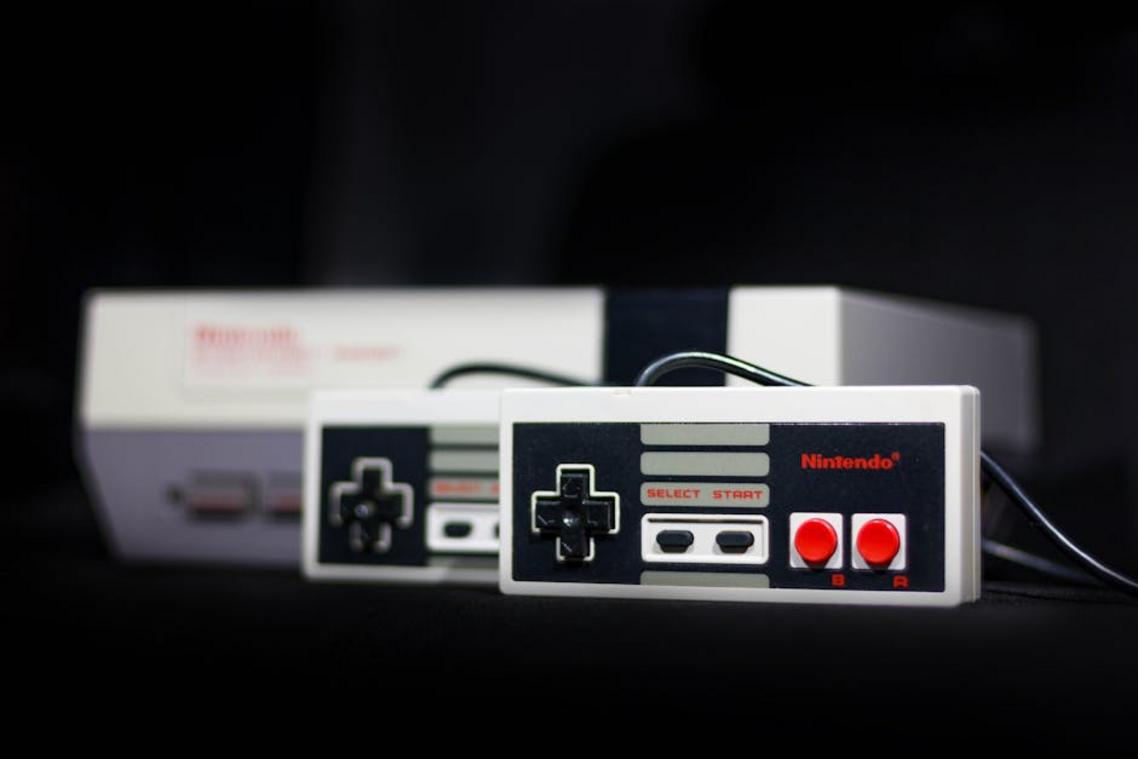
Start here if you’re new to collecting. The NES saved home gaming after the crash of ’83, and honestly, it’s still the best entry point for most people.
Those chunky pixels weren’t a limitation. They were an art form. Games like Super Mario Bros. and Mega Man proved you didn’t need realistic graphics to create something unforgettable.
The gameplay was tough. No hand-holding. No tutorials that lasted an hour.
The 16-Bit Console Wars (1989-1997)
This is where things got interesting. Sega and Nintendo went head to head, and we all won because of it.
If you want to see what competition does for gaming, grab a SNES and a Genesis. Compare Sonic’s speed to Mario’s precision. Listen to the sound chips battle it out.
The graphics jumped forward. So did the storytelling. RPGs became deeper. Action games became faster.
The Dawn of 3D (1994-2000)
Now we’re talking about the shift that changed everything.
The PlayStation and N64 didn’t just add another dimension. They opened up genres that couldn’t exist before. First-person shooters. Open-world adventures. True 3D platformers.
Some of those early 3D games aged rough (looking at you, early polygon models). But titles like Metal Gear Solid and Ocarina of Time? Still hold up today.
My advice? Don’t skip any era. Each one offers something you can’t get anywhere else.
How to Choose Your First Retro Gaming Console
You want to start collecting retro games but you’re staring at a wall of old consoles wondering where to begin.
I see this all the time at my shop.
The truth is, there’s no single “best” console. It depends on what kind of games make you lose track of time.
For the Platforming Purist: The Super Nintendo (SNES)
If you love running and jumping, this is your console.
The SNES library is packed with platformers that still hold up today. Super Mario World gives you that perfect blend of tight controls and creative level design. Donkey Kong Country showed what 16-bit graphics could really do.
These games feel good to play. That’s what matters.
For the Arcade Action Fan: The Sega Genesis
The Genesis had a faster processor than its competitors. That meant snappier gameplay and smoother scrolling.
Sonic the Hedgehog was built for speed. Streets of Rage brought that arcade beat-em-up energy straight to your living room (without needing a pocket full of quarters).
If you grew up pumping coins into arcade machines, you’ll feel right at home here.
For the RPG Enthusiast: The Sony PlayStation (PS1)
Want deep stories and turn-based battles? The PS1 changed everything for RPG fans.
Final Fantasy VII brought the genre to mainstream audiences. Chrono Cross offered branching storylines before that was common. The library goes deep with titles most people have never heard of.
This is where old school gaming hmcdretro really shines. You can lose 60 hours in a single game and still want more.
For the Couch Co-op Champion: The Nintendo 64 (N64)
Four controller ports right out of the box. That tells you everything.
Mario Kart 64 turned friendships into rivalries. GoldenEye 007 made split-screen shooters a household staple. The N64 was designed for playing together in the same room.
Pick the console that matches your gaming DNA. You can always expand your collection later.
Building Your ‘Must-Play’ List: Essential Classic Games
You can’t play everything.
I wish you could. But with thousands of retro games out there, you need to start somewhere smart.
Some collectors say you should just grab whatever’s cheap and build from there. They argue that any game is worth playing if you’re curious enough.
But here’s what that approach misses.
Your time matters. And some games shaped everything that came after them.
I’m talking about the titles that defined genres. The ones that proved what a controller and a TV could do together.
NES Essentials
Start with The Legend of Zelda. It gave you a world to explore without holding your hand. No tutorial. No quest markers. Just you and a dangerous map that rewarded curiosity.
Super Mario Bros. 3 took platforming and made it an art form. Every level introduced something new. The controls felt perfect in 1988 and they still feel perfect now.
Metroid did something wild. It let you get lost. It made backtracking feel like discovery instead of busywork.
SNES Essentials
The Legend of Zelda: A Link to the Past showed what happens when you take a good idea and refine every single piece of it. The dual-world mechanic changed how designers thought about game spaces.
Super Metroid perfected the formula. The atmosphere alone makes it worth playing, but the way it teaches you without words? That’s something special.
Chrono Trigger proved RPGs could tell stories that mattered. Multiple endings weren’t just a gimmick here. They made your choices feel real.
Sega Genesis Essentials
Genesis had attitude, and Sonic the Hedgehog 2 captured it perfectly. Speed wasn’t just a mechanic. It was a feeling.
Streets of Rage 2 remains the gold standard for beat-em-ups. The soundtrack alone is worth the price of admission (and yes, old school gaming hmcdretro has it).
Phantasy Star IV showed that JRPGs on Genesis could compete with anything on SNES. The sci-fi setting felt fresh then and still does.
PlayStation & N64 Essentials
Metal Gear Solid on PS1 made stealth gameplay mainstream. The codec conversations went on forever, but they built a world you actually cared about.
Super Mario 64 invented 3D platforming. Every game with a camera and a jump button owes something to this one.
Castlevania: Symphony of the Night took Metroid’s exploration and added RPG depth. The map completion percentage turned exploration into an obsession.
These aren’t just good games.
They’re the foundation everything else built on.
Collector’s Corner: Tips for Finding and Preserving Your Games
You want to build a collection that lasts.
I’ve seen too many people grab games without checking them first. They get home and find out the cartridge doesn’t work or the disc is scratched beyond repair.
Let me save you that headache.
Where to Look
Online marketplaces give you selection. You can find almost anything if you’re patient. But you can’t hold the game before you buy it. Photos don’t always tell the whole story.
Local game stores let you inspect everything in person. You can test before you hand over cash. The downside? Prices run higher and selection is hit or miss.
Community conventions sit somewhere in between. You get variety and you can check condition on the spot. Just know that everyone else is hunting for the same deals you are.
What to Check
Pop open that cartridge and look at the contacts. Corrosion shows up as discoloration or buildup. If the label looks too clean or the plastic feels wrong, you might be holding a reproduction.
For discs, hold them up to light. Deep scratches that run from the center outward? Those cause problems. Surface scuffs usually play fine.
Always test hardware before buying. I don’t care how good it looks sitting on the shelf.
Basic Care and Maintenance
Cleaning contacts takes five minutes. Use isopropyl alcohol (90% or higher) and a cotton swab. Let it dry completely before you play.
Store your old school gaming hmcdretro collection away from sunlight and moisture. Boxes fade fast in direct light and humidity warps cardboard.
Keep manuals in protective sleeves. Original documentation adds value and honestly, reading those old manuals brings back memories.
Your collection deserves better than a dusty shelf and crossed fingers.
Press Start on Your Retro Gaming Adventure
You know what you want to play. You just don’t know where to start.
I get it. Walking into retro gaming can feel overwhelming when you’re staring at decades of consoles and thousands of games.
This guide cuts through that confusion. You now know which consoles defined gaming history and which games made them legendary.
The path is clear now. No more second-guessing or analysis paralysis.
Here’s why this approach works: I focused on the systems and titles that actually matter. The ones that created the foundation of gaming culture. When you start with these classics, you’re not just playing games. You’re experiencing why people fell in love with this hobby in the first place.
Your next move is simple.
Pick one console that speaks to you. Maybe it’s the NES with its library of timeless platformers. Or the SNES with its RPG masterpieces. Track down that first game you’ve been curious about.
Then play it.
Stop researching and start experiencing what made old school gaming hmcdretro such a phenomenon. The magic you’ve read about? It’s waiting for you to press start.
Your retro gaming adventure begins the moment you decide to take that first step.
 Founder & Creative Director
dylan1997 is the visionary behind HMCD Retro, driven by a deep passion for classic gaming and digital nostalgia. He founded the platform to preserve and celebrate retro gaming culture in a modern, accessible way. With a strong eye for storytelling and design, dylan1997 leads the creative direction and overall content strategy. His expertise spans game analysis, industry trends, and community building. He is committed to delivering authentic, high-quality content for dedicated gamers. Through his leadership, HMCD Retro has evolved into a trusted hub for retro enthusiasts. dylan1997 continues to shape the platform’s voice and long-term vision.
Founder & Creative Director
dylan1997 is the visionary behind HMCD Retro, driven by a deep passion for classic gaming and digital nostalgia. He founded the platform to preserve and celebrate retro gaming culture in a modern, accessible way. With a strong eye for storytelling and design, dylan1997 leads the creative direction and overall content strategy. His expertise spans game analysis, industry trends, and community building. He is committed to delivering authentic, high-quality content for dedicated gamers. Through his leadership, HMCD Retro has evolved into a trusted hub for retro enthusiasts. dylan1997 continues to shape the platform’s voice and long-term vision.