If you’re looking for a game that stands the test of time, you’ve probably thought about legend of zelda review. I know I have. The series has captivated gamers for decades and continues to spark debates.
What makes it so special? Is it the nostalgia or the new gameplay? I believe it’s both, but we’ll dig deeper into these elements.
In this review, I’ll break down what makes the Zelda franchise a gaming masterpiece. You’ll get takeaways on its iconic characters, rich storytelling, and the gameplay that keeps players coming back.
I’ll also discuss how the series has evolved over the years. You’ll find out what new entries bring to the table and whether they live up to the legacy.
Trust me, whether you’re a longtime fan or just curious, this review will give you a fresh perspective. to the world of Zelda together.
Core of a Classic: What Defines a Zelda Game?
When evaluating a Zelda game, there are a few foundational pillars you can’t ignore. Exploration is a must. If a game world doesn’t encourage you to wander off the beaten path, is it even Zelda?
Take “Breath of the Wild”. It practically begs you to poke around every corner.
Then there’s puzzle-solving. Those dungeons and overworld puzzles? They’re where the magic happens.
The satisfaction when you solve them is what keeps us coming back. Remember the Water Temple in “Ocarina of Time”? Frustrating, yet genius.
Combat and enemy encounters also define Zelda. You can’t talk about the series without mentioning Link’s evolving arsenal. From swords to boomerangs, the variety keeps battles fresh.
And let’s not forget the narrative. The recurring themes and characters (hello, Ganon!) are like comfort food for gamers. Each game reinterprets Hyrule’s mythology, adding layers to the legend.
Different games prioritize these pillars differently. “Ocarina of Time” balances story and exploration, while “Breath of the Wild” lets you lose yourself in the world.
Does this make it the ultimate “legend of zelda review”? Maybe, maybe not. But it’s clear these elements are the heart of the series.
Designing Worlds: Key Elements for Game Environments
Designing a game world is like crafting a changing painting. In any legend of zelda review, it’s clear: the environment makes or breaks the game. The choice between an open-world layout and an interconnected hub-and-spoke structure matters.
Open worlds offer freedom but can overwhelm. Hub structures guide players, focusing them without feeling restrictive.
Dungeons? They need cleverness. Everyone loves that “aha!” moment when a puzzle clicks.
It’s not just about complexity but how the layouts encourage creative item use. The dungeon should push you to think differently each time. Ever notice how new tools in Zelda aren’t just keys?
They shift how you interact with the world, making every discovery feel significant.
Does this remind you of the pac man game ate hearts? It’s all about surprising the player with new paths and solutions.
Puzzles should vary in difficulty and integrate seamlessly with the environment. Repetition kills excitement. Modern 3D Zelda titles contrast sharply with classic 2D ones.
They both have their charm, but the shift in design philosophy is evident. It’s like comparing the beats of an old vinyl record to the crisp sound of a digital track. Each has its story, its depth.
Emotional Highs and Lows: Hyrule’s Heartbeat
In a legend of zelda review, you can’t ignore the emotional pull. Seriously, what keeps me hooked is the story’s power to drive me forward. The narrative in Zelda games is always compelling.
It’s a saga of courage, wisdom, and power that I keep coming back to. Does it keep pulling you into its world?
Characters matter too. Beyond Link and Zelda, the supporting cast must shine. Remember Midna’s sass in Twilight Princess?
Or Ganondorf’s epic ambition? They’re unforgettable. They give depth to the story (and keep us invested).
Now, let’s talk atmosphere. Each game is a mix of adventure, mystery, and a touch of melancholy. The music.
Check out ‘the legend of zelda: breath of for an example of how sound design elevates the experience.
Oh, the music (plays) a huge role. You can’t talk about Zelda without mentioning its soundtrack. From the triumphant overture to the eerie whispers in the woods, it draws you in.
What other games pack such emotional punches? Zelda nails it every time. Game after game, it’s that emotional depth that makes them legends, plain and simple.
Zelda’s Evolution: Balancing Innovation and Legacy
I’ve always been captivated by how each Legend of Zelda game (I mean, who isn’t?) finds that sweet spot between innovation and tradition. When reviewing a legend of zelda game, it’s key to see how new mechanics or gameplay twists fit into the series’ old soul. Games like Majora’s Mask and Breath of the Wild took massive creative leaps, and boy, did they land!

But here’s the kicker: do these changes still make the game feel like a classic Zelda adventure? Well, sometimes it’s like putting a new engine in a vintage car. You get the speed (innovation) but keep the charm (tradition).
Look at Breath of the Wild. It tossed out convention with open-world gameplay yet kept the heart of the series alive. Familiar elements make it replayable, but the freshness keeps it exciting.
It’s that push-and-pull changing I find fascinating.
And context matters too. A game following a new title must innovate while respecting its roots. This balance is what makes a game timeless, providing both nostalgia and novelty.
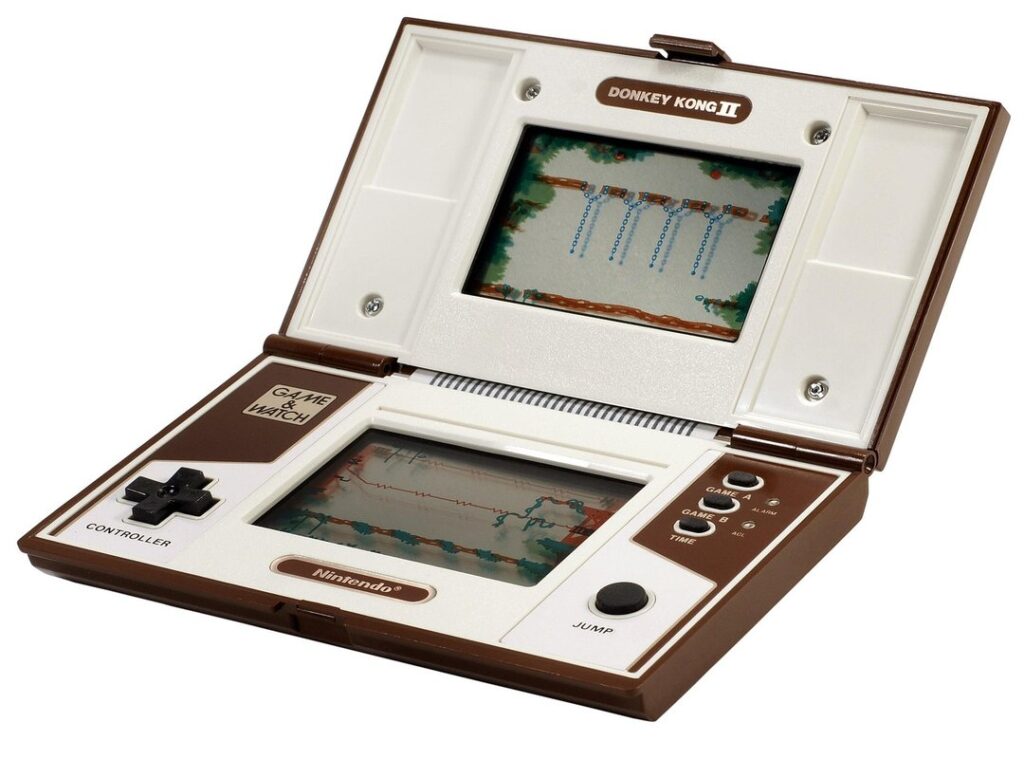
Speaking of timeless, if you’re into classics, check out the Donkey Kong Classic Revisited. It’s a good reminder of how some games blend the old with the new.
The Magic of Controls and Legacy: A Zelda Evaluation
When I dive into a legend of zelda review, I’m looking for precision. How do the controls hold up? Honestly, they’re a dream.
Responsive controls make or break a game, and Zelda nails it. The camera? It’s like a trusty sidekick.
Rarely betrays you mid-battle, which is more than I can say for some games. Frame rate? Smooth as butter.
At launch, it felt like a polished gem.
Now, the visuals. You might think graphics age like milk, but Zelda proves that wrong. The art direction is timeless, not just about raw power.
It gives the game its unique identity. The interface? User-friendly and intuitive, with quality-of-life features that make revisiting the game a joy.
Who wants to fight the UI when you could be battling Ganon?
And let’s talk impact. Zelda inspired a generation of games, setting standards for adventure narratives. Its legacy?
Lasting. The replay value keeps conversations alive in the community. It’s not just another game; it’s a touchstone.
Does it encourage ongoing discussion? Absolutely. The forums buzz with strategies and lore theories.
That’s something special, right? This game isn’t just played. It’s lived.
Get through Hyrule with Confidence
You now have a solid toolkit for your legend of zelda review. That initial overwhelm of a vast series? It’s gone.
You’ve got the system to appreciate each game’s strengths and weaknesses.
Revisit your favorite (or least favorite) titles with these new takeaways. Dive deeper into Hyrule and share your evaluations with fellow fans.
Let’s keep this conversation going.
Discuss your perspectives and keep exploring what makes Zelda special. Your thoughts matter. Your experiences count.
Get in there and engage. Hyrule is waiting for you to uncover its magic.
 Content Strategist & Lead Editor
kenji.splitscreen plays a central role in shaping the editorial direction of HMCD Retro. He oversees content planning, ensuring each article aligns with the brand’s nostalgic and analytical tone. With a strong background in gaming commentary, kenji.splitscreen specializes in crafting engaging reviews and insightful breakdowns. He manages the publishing workflow and maintains content consistency across the platform. His attention to detail ensures accuracy and depth in every piece. kenji.splitscreen is also responsible for identifying emerging trends in retro gaming. His work helps keep the platform relevant and informative.
Content Strategist & Lead Editor
kenji.splitscreen plays a central role in shaping the editorial direction of HMCD Retro. He oversees content planning, ensuring each article aligns with the brand’s nostalgic and analytical tone. With a strong background in gaming commentary, kenji.splitscreen specializes in crafting engaging reviews and insightful breakdowns. He manages the publishing workflow and maintains content consistency across the platform. His attention to detail ensures accuracy and depth in every piece. kenji.splitscreen is also responsible for identifying emerging trends in retro gaming. His work helps keep the platform relevant and informative.