Donkey Kong is iconic. But how do we really assess its vast game library?
Nostalgia can cloud our judgment. I’ve played these games for years, diving deep into platformers and analyzing what makes them tick. You probably feel the same way.
What makes a Donkey Kong game great. Or not so great? That’s the question this article tackles.
I’ll help you move beyond fond memories and look at the series’ evolution and lasting appeal.
You might remember your first time playing Donkey Kong. I do. The thrill of scaling those platforms while dodging barrels was unforgettable.
Through this donkey kong review, I want to share what I’ve learned about the games. You’ll find a full system for evaluating them.
Get ready to understand what makes Donkey Kong special. Let’s explore the games together and uncover their real value.
The Primal Roar: Arcade Icon in Review
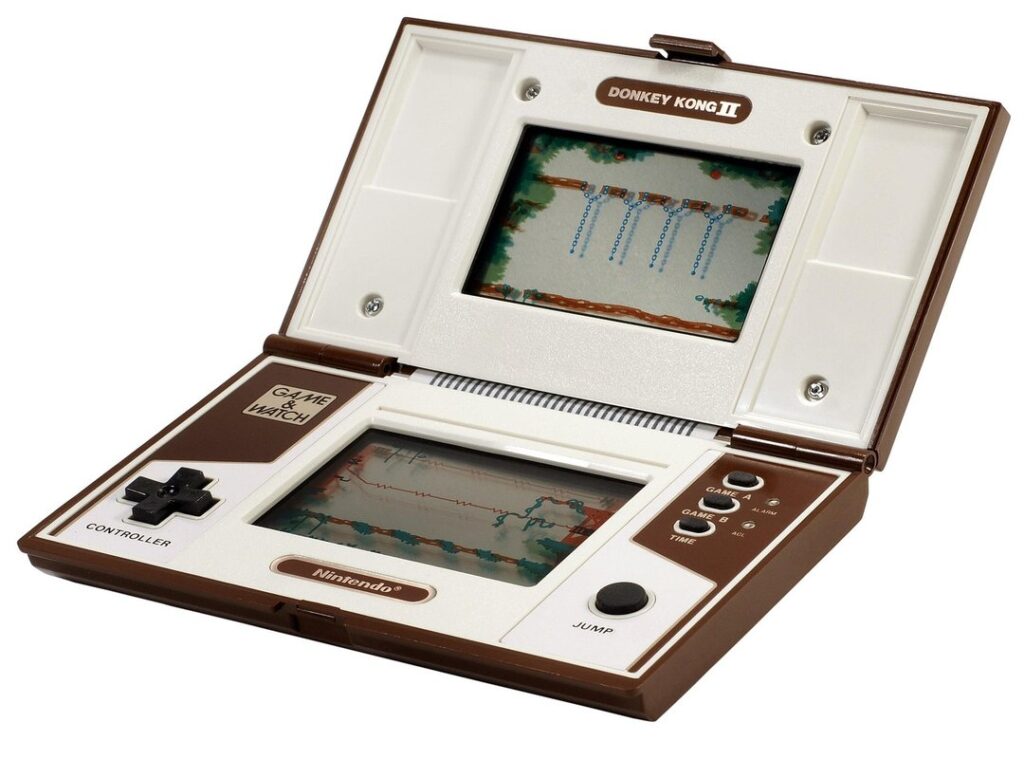
Step back to 1981. Donkey Kong burst onto the scene and changed everything. It’s not just nostalgia talking; this game truly reshaped the industry.
Before Donkey Kong, video games were simpler. Enter Donkey Kong with its new gameplay and suddenly we have this platformer with levels! Who saw that coming?
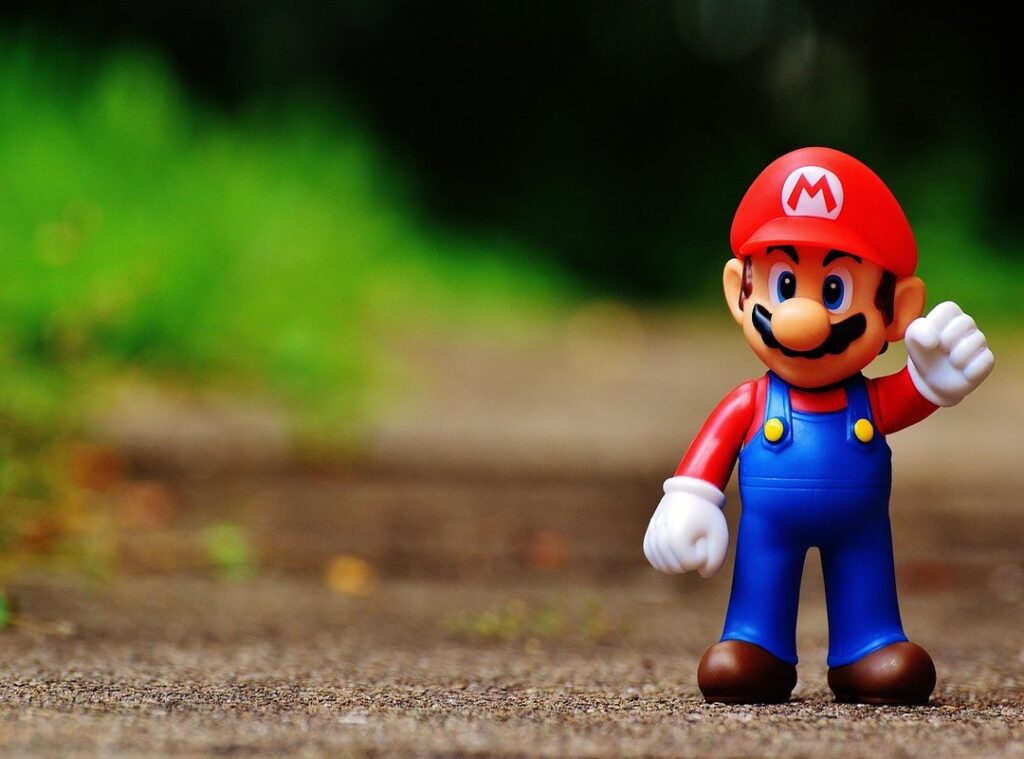
And let’s not forget the characters. Donkey Kong, Jumpman (who’s now Mario), and Pauline. Iconic doesn’t even begin to cover it.
Ask anyone today about Mario, and they’ll nod knowingly. He’s become a staple of pop culture, all thanks to this game.
The beauty of Donkey Kong lies in its simplicity, yet it offers depth. The mechanics are straightforward, but there’s endless challenge in timing and plan. You think it’s easy?
Try beating it without losing a life.
Games today owe a lot to Donkey Kong’s design. It’s all there: level progression, storytelling, even the idea of a villain. It laid down the rules for future genres and storytelling.
For me, this isn’t just a donkey kong review. It’s a the game’s enduring legacy.
Deconstructing Donkey Kong: The Golden Era
The Donkey Kong Country trilogy on the SNES was truly a golden era. This isn’t just nostalgia talking. The games were new in their visuals and sound.
Have you ever seen the pre-rendered 3D graphics? They looked like magic on the SNES, thanks to ACM technology. This tech created a lively world that felt more alive than anything else at the time.
David Wise’s soundtracks? They still echo in my mind. Each note perfectly complemented the gameplay and level design.
Wise crafted a mood that was both immersive and unforgettable. But let’s not forget the level design itself. The challenges were unique, with mechanics that kept you engaged.
Remember the animal buddies like Rambi and Enguarde? They added layers of plan and fun.
Each character brought something new to the table. Donkey Kong, Diddy, Dixie, and even Kiddy all had distinct abilities. This variety enhanced replayability like nothing else.
The difficulty curve was just right too. Sure, it could get tough, but mastering those challenges was satisfying in a way only retro gamers understand.
I’m not the only one who thinks so. If you’re into this kind of analysis, you might want to read more about other iconic titles. In this donkey kong review, I’ve barely scratched the surface of what made this trilogy legendary.
The Resurgence: Donkey Kong’s Modern Masterpieces
Let’s talk about the brilliance of ‘Donkey Kong Country Returns’ and ‘Donkey Kong Country: Tropical Freeze.’ These games are more than just reboots; they’re masterpieces. They take the magic of the SNES era and breathe fresh life into it.
The visuals are stunning. HD graphics make every jungle vine and snowflake pop out of the screen. The gameplay?
Innovatively solid. The ‘roll’ and ‘blow’ mechanics aren’t just gimmicks; they fit right into the platforming puzzle like a glove. Levels are changing, packed with detailed puzzles and boss battles that are as challenging as they are satisfying.
But let’s not forget the music. The soundtracks continue to be phenomenal, evolving without losing their roots. This isn’t just nostalgia; it’s evolution.
Co-op multiplayer? A total game-changer. Playing with a friend adds a whole new layer of excitement.
It encourages teamwork and adds replayability.
For any doubters, these aren’t just sequels. They’re modern classics that deserve attention. Even if you’re glued to a pac man game ate hearts, do yourself a favor and dive back into these modern Donkey Kong wonders. Iconic gameplay with a fresh twist.
Beyond the Barrels: What Makes Donkey Kong Shine?
I’ve played a lot of Donkey Kong games, and let me tell you, some things just make them pop. You know what I’m talking about: tight controls. There’s nothing more satisfying than nailing that jump because your character does exactly what you want.

It’s like Mario, but with more personality (and barrels).
But controls aren’t everything. Level design counts, too. A great Donkey Kong game has creativity oozing from every pixel.
Hidden paths, environmental clues, and those sneaky secrets? They’re the cherry on top. You ever notice how a clever level can tell a story without a single line of dialogue?
That’s magic.
Then there’s sound design. Good music makes your heart race or, in calmer levels, lets you chill. It’s an unsung hero really.
Check out the donkey kong bananza review for more on how sound elevates the game.
We can’t ignore difficulty balance. Too easy and it’s boring; too hard and you’re just frustrated. A sweet spot encourages mastery without rage quitting.
Games should challenge but not crush your spirit.
Lastly, replayability factors. Collectibles, time trials, secret exits (they) keep you coming back for more. Distinct character abilities add layers to gameplay, offering strategic depth you didn’t know you needed.
These elements are what make a Donkey Kong game truly great.
Donkey Kong: A Game Changer Through the Ages
Why does Donkey Kong still matter? Simple. This series didn’t just play the game; it redefined it.
From the original arcade cabinets to your home console, Donkey Kong has been pushing limits. Remember when Mario (yep, same guy) had to dodge barrels? That was just the beginning.
The game’s jump from arcades to consoles showed the industry what was possible.
Donkey Kong’s influence on platformers is undeniable. It’s like the Beatles of gaming. Without it, would we even have Sonic or Crash Bandicoot?
Probably not. Other developers saw what Nintendo did and scrambled to catch up. The game’s charm isn’t just in design; it’s also in character evolution.
Donkey Kong started as a villain but morphed into a hero, showing depth long before games aimed for cinematic storytelling.
The series nails challenging gameplay wrapped in an appealing package. It’s whimsical yet tough. Players of all ages find something to love here; it’s like a Pixar movie for your thumbs.
And through all these years, the games remain relevant, celebrated, and, yes, reviewed time and again. In every donkey kong review, you’ll find the same conclusion. Timeless.
Dive Deeper into Donkey Kong
You’ve got the tools to take your donkey kong review to the next level. Don’t just love these games; analyze them. Look at control responsiveness, level design, and sound design.
That’s how you truly appreciate the brilliance behind these classics.
I urge you to revisit your favorite Donkey Kong games with a key eye. You might discover something new.
What moments made you smile? What levels frustrated you? Share those takeaways.
Let’s build a community around our shared love for gaming.
Don’t wait. Get back to those games and see what you’ve been missing.
 Content Strategist & Lead Editor
kenji.splitscreen plays a central role in shaping the editorial direction of HMCD Retro. He oversees content planning, ensuring each article aligns with the brand’s nostalgic and analytical tone. With a strong background in gaming commentary, kenji.splitscreen specializes in crafting engaging reviews and insightful breakdowns. He manages the publishing workflow and maintains content consistency across the platform. His attention to detail ensures accuracy and depth in every piece. kenji.splitscreen is also responsible for identifying emerging trends in retro gaming. His work helps keep the platform relevant and informative.
Content Strategist & Lead Editor
kenji.splitscreen plays a central role in shaping the editorial direction of HMCD Retro. He oversees content planning, ensuring each article aligns with the brand’s nostalgic and analytical tone. With a strong background in gaming commentary, kenji.splitscreen specializes in crafting engaging reviews and insightful breakdowns. He manages the publishing workflow and maintains content consistency across the platform. His attention to detail ensures accuracy and depth in every piece. kenji.splitscreen is also responsible for identifying emerging trends in retro gaming. His work helps keep the platform relevant and informative.