If you’re diving into classic game collecting, you might feel overwhelmed. There’s so much out there, and it can be tough to know where to start. I’ve been there, staring at a pile of cartridges, wondering what’s worth my time and money.
Are you chasing the nostalgia of your childhood? Or are you hoping to find hidden gems that could skyrocket in value?
In this article, I’m going to share takeaways from my own experience. I’ll guide you through the must-know tips and tricks for building your collection without breaking the bank.
You’ll learn what to look for in terms of condition, rarity, and value. I’ll also highlight some classic titles that deserve a spot on your shelf. By the end, you’ll feel confident in your ability to get through the world of classic game collecting.
Let’s open up the joys of retro gaming together.
What Makes a Game ‘Vintage’ Anyway?
The term “vintage” in gaming often gets tossed around like it’s some kind of secret club password. But what does it really mean? For me, a vintage game isn’t just old (it’s) soaked in history, cultural impact, and technological breakthroughs.
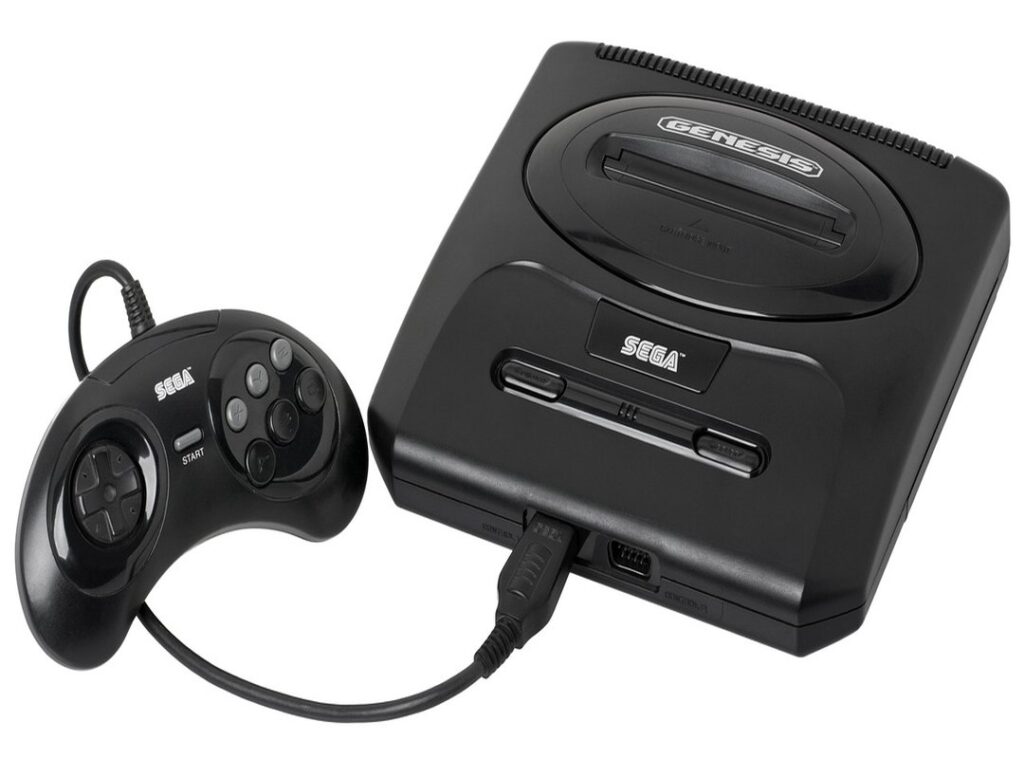
Consider the 8-bit era with the NES or the 16-bit glory of the Sega Genesis. These aren’t just relics; they defined gaming.
But here’s the kicker: not every old game is vintage. A game becomes vintage when it crosses the threshold of just being old to having left a mark. Think original PlayStation or the N64, where early 3D graphics changed the game (literally).
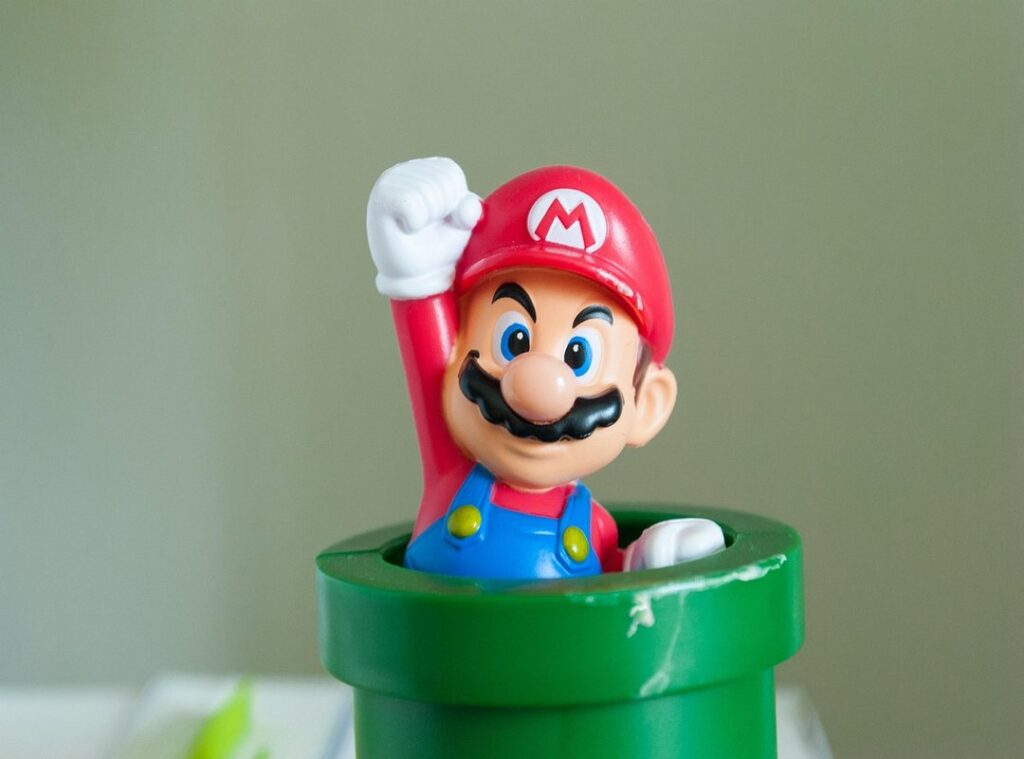
Remember playing “Super Mario 64”? That wasn’t just a game; it was a revelation.
Yet, definitions can be personal. What’s vintage to me might not be vintage to you. In the world of classic game collecting, it’s all about finding what resonates with you.
So, what’s your definition? Are you holding onto nostalgia or celebrating a piece of gaming history? It’s a journey worth defining for yourself.
Beyond Nostalgia: The Hidden Value in Vintage Game Collecting
Classic game collecting isn’t just about reliving childhood memories. Sure, there’s the thrill of rediscovering a game you obsessed over as a kid, but there’s more to it. It’s about preserving history (holding) onto a piece of gaming evolution.
When you come across a “Complete In Box” (CIB) game, it’s like finding treasure. The cartridge, disc, box, and manual (all) there. It’s not just the game; it’s the entire package.
But have you ever wondered about the market dynamics? Supply and demand are huge factors, of course, but grading services also play a role. These services assess a game’s condition, making high-value items even more desirable.
Now, let’s talk about the community. When you dive into this world, you find people who share your passion. That’s a connection worth more than any rare game.
And then there’s the hunt. The thrill of chasing down that one hard to find title is like nothing else. Whether you find it in a dusty corner of a shop or online, that moment makes the effort worth it.
If you’re diving into this world, don’t forget the important gear retro gamers. It makes the hunt and play even more enjoyable.
Starting Your Adventure: Classic Game Collecting Tips
So, you’re diving into classic game collecting? Good choice. But where to begin?
Focus is key. You might be tempted to scoop up everything (who wouldn’t?). But trust me, starting with a niche.
Like a specific console or game series. Will save you a lot of hassle.
Why? Well, it’s all about building expertise. You get to know the ins and outs of your chosen area.
Plus, it keeps your spending in check. No one wants to blow their budget right out of the gate.
Research is your best friend here. Know what you’re hunting. Understand the regional variants.
Be aware of those pesky fakes or reproductions. And don’t overlook different editions. It’s not fun buying something only to realize it’s not what you thought.
Need to figure out prices? Look no further than sites like PriceCharting or eBay’s sold listings. They give you a solid baseline to make informed buys.
Condition matters (big) time. Pay attention to labels, discs, boxes, and manuals. Look for label tears, disc scratches, and water damage.
These are telltale signs of a bad buy. When inspecting in person, use your senses (and your gut).
Pro tip: Always check for unusual smells. It sounds weird, but it’s a solid indicator of hidden issues.
And while you’re at it, consider improving your gaming reflexes. It might not seem directly related, but it enhances your overall gaming experience. There you have it.
Get out there and start collecting!
The Hunt for Treasures: Finding Authentic Vintage Games
When it comes to classic game collecting, nothing beats the thrill of discovering a hidden gem. Local haunts are your first stop. Flea markets, garage sales, thrift stores, and pawn shops are gold mines.

You never know what you’ll find. Get there early. The early bird gets the vintage game, right?
Bring cash and practice polite negotiation. It’s a game of its own.
For those who’d rather hunt from the couch, online marketplaces are the digital wild west. Platforms like eBay and retro gaming forums are buzzing with activity. But be careful.
Scrutinize seller reputations like a hawk. Analyze every photo and ask questions until you’re satisfied. Authenticity is key.
Trust me, this isn’t a place for the timid.
Now, let’s talk community connections. Engaging with the vintage gaming community is useful. Local meetups and conventions are not just social events; they’re treasure troves.
You might find that rare game you’ve been searching for. Plus, building relationships here is key. The community is a source of expert advice and rare finds.
It’s like having a secret map to hidden treasures.
Pro tip: Join online forums for trading and networking. Here, you can dive deeper into the introduction to retro game collecting understanding.
In the end, whether you’re scouring your local thrift store or browsing online, each find is a piece of history. Classic games are more than just cartridges. They’re stories waiting to be rediscovered.
Happy hunting!
Preserving Your Gaming Legacy: Tips for Collectors
When it comes to classic game collecting, storage is everything. Keep your games safe from wear and tear by storing them in stable temperatures and controlled humidity. Direct sunlight?
That’s a no-go. Consider clear plastic cases for cartridges and archival sleeves for manuals. They’re not just for looks (they) protect.
Cleaning is a must, but don’t go overboard. Use isopropyl alcohol for cartridge contacts and microfiber cloths for disc surfaces. Stay away from harsh chemicals or abrasive materials.
They can ruin delicate plastics or labels faster than you can say “game over.”
Cataloging your collection is more than just a chore. It’s a chance to relive memories and make sure everything’s accounted for. But remember, these games are meant to be played.
Enjoy them responsibly. After all, what’s the point of having a collection if you don’t dive into it now and then?
Your Adventure Awaits
Collecting vintage games is a rewarding journey of discovery and connection. I know it can feel overwhelming at first. But with some thoughtful guidance, you can transform that challenge into an enriching experience.
Prioritize condition and care for your collection. This ensures its longevity and personal value.
So why wait? Begin or continue your classic game collecting adventure with confidence. Share your finds and connect with others who share your passion.
Dive into this lively community and explore the stories behind each game. Start today and make your collection a meaningful part of your gaming legacy.
 Gaming Analyst & Community Specialist
ClanDaria focuses on in-depth game analysis and community engagement at HMCD Retro. She brings a fresh perspective to classic titles, blending nostalgia with critical insight. Her work highlights gameplay mechanics, design evolution, and player experience. ClanDaria also interacts with the gaming community, fostering discussion and connection among users. She contributes expert tips and guides tailored for both new and experienced players. Her approachable style makes complex ideas easy to understand. Through her role, she strengthens the platform’s connection with its audience.
Gaming Analyst & Community Specialist
ClanDaria focuses on in-depth game analysis and community engagement at HMCD Retro. She brings a fresh perspective to classic titles, blending nostalgia with critical insight. Her work highlights gameplay mechanics, design evolution, and player experience. ClanDaria also interacts with the gaming community, fostering discussion and connection among users. She contributes expert tips and guides tailored for both new and experienced players. Her approachable style makes complex ideas easy to understand. Through her role, she strengthens the platform’s connection with its audience.