
You remember those arcades, right? The flashing lights, the sounds of coins dropping, and that electric excitement? It’s a thrill many of us miss in today’s complex gaming world.
I often wonder how many people even know about the golden era arcade games that shaped the industry. We’ve lost touch with those foundational experiences.
This article dives deep into that nostalgia. My passion for gaming history drives me to dissect what made those early titles special. I’ve spent years analyzing retro games and their cultural impact.
You can trust this content because it’s rooted in genuine love for the medium. I want to share takeaways that go beyond just listing games.
You’ll learn about the defining characteristics and iconic titles that truly matter. I’m here to explore the enduring legacy of classic arcade gaming with you.
Let’s celebrate those games that laid the groundwork for everything we enjoy today. Together, we’ll journey back to a time when gaming was simple yet exhilarating. Ready to relive that magic?
Golden Era of Arcades: A Flash of Brilliance
The golden era arcade games weren’t just about pixels and joysticks. They were a revolution, a cultural phenomenon, bursting with a lively energy that lit up the late 1970s to the mid-1980s. Remember the hum of the machines, the clatter of coins, and the glow of neon lights?
That’s what I’m talking about.
Back then, the technological leap was astounding. Microprocessors became the heartbeat of games, while vector graphics and color displays transformed screens into canvases. Sound chips made explosions and blips come alive.
It was like magic, but with wires and circuits.
Arcades weren’t just places; they were social hubs. I’d walk in, and it was like stepping into another world. Kids, teens, even adults gathered, competing and cheering.
You’d meet strangers but leave as friends. A shared experience wrapped in electric excitement.
Economically, the coin-op model was genius. Developers were in a race, pushing boundaries, each craving that next big hit. High replayability meant more coins dropped, more challenges conquered.
The rapid innovation? It was all about keeping players hooked and coming back for more.
Can you imagine that kind of excitement today? It was a time like no other.
The Titans of the Arcade: Iconic Games and Their New Impact
When I think about the golden era arcade games, a few titles leap to mind like Space Invaders and Pac-Man. Space Invaders wasn’t just another game; it was a new way of thinking. It introduced the concept of endless waves (those constant alien invaders) and turned simplicity into obsession.
And Pac-Man? We all know that yellow ball with a mouth changed everything. It wasn’t just about eating dots; it was about outsmarting those pesky ghosts.
Donkey Kong introduced us to Mario, a character who’d become a titan himself. It wasn’t just a game; it was a story (climbing to save the girl from a giant ape). Asteroids and Galaga took us to space, where we blew up rocks and alien fleets.
The simplicity and escalating challenge kept us glued to the screen.
These games were more than just pixels. They were cultural phenomena, fueled by companies like Atari, Namco, and Taito. They shaped how we viewed games, transforming them from simple pastimes into legitimate art forms.
If you’re curious about the evolution of gaming, you might find the magic of 16 bit adventures equally fascinating.
Beyond the Pixels: Golden Era Gameplay Mechanics
Ever wonder why golden era arcade games still captivate us? It’s all about the core gameplay loops. These games mastered the “easy to learn, difficult to master” principle.
You’d think they’d be simple, yet they were anything but. The competitive nature of arcades played a huge role too. You remember the leaderboards?
Trying to beat your friend’s high score was more than just a game; it was a social event (and a little bit of bragging rights).
Let’s talk design elements. Infinite play and emergent strategies kept people coming back. Remember those immediate feedback loops?
They offered instant rewards or challenges, making the experience addictive. Players wanted that “just one more try” moment. The limitations of technology back then often sparked creativity.
Game designers had to innovate with what little they had, leading to focused and elegant games.
These mechanics created an experience that’s still talked about today. It’s funny how limited resources sometimes lead to the most creativity. Unlike today’s tech, they didn’t rely on flashy graphics to draw you in.
It was all about the gameplay. And that’s why these games endure.
From Quarters to Consoles: Gaming’s Lingering Legacy
Arcades were magical places. You remember the sounds, right? The clinking of quarters and the flashy screens of games like Galaga and Pac-Man.
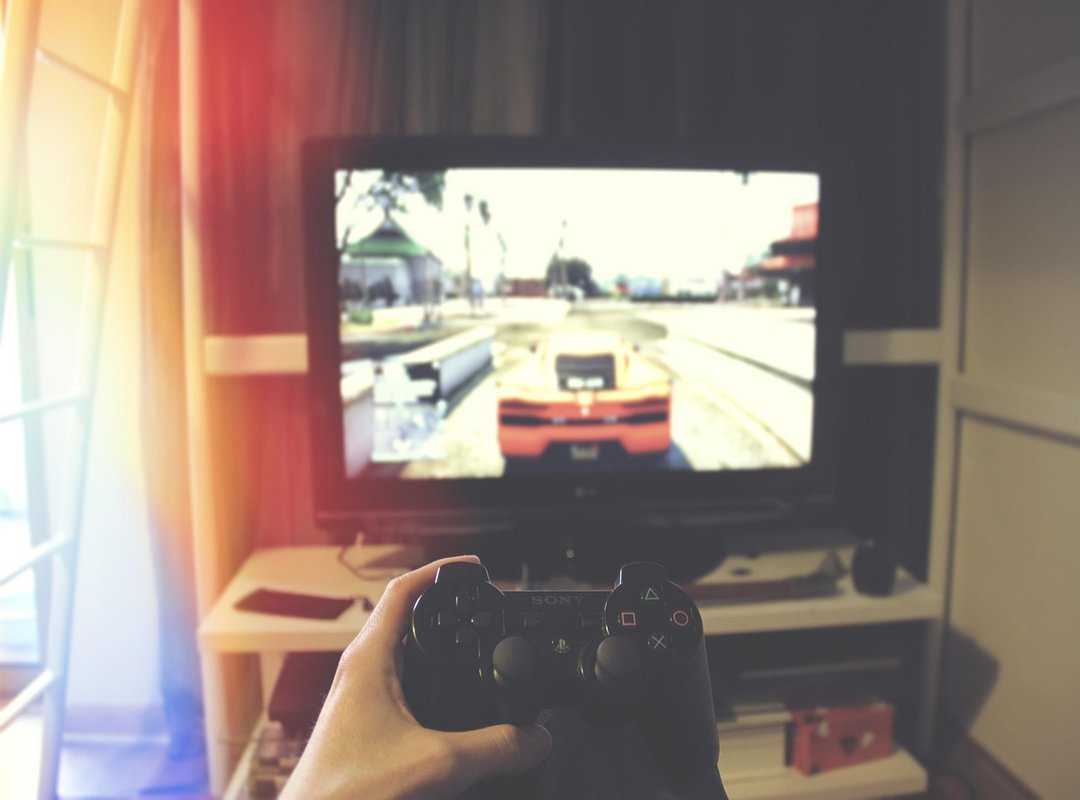
These golden era arcade games weren’t just about high scores. They were breeding grounds for genres like fixed shooters and maze games. But that was just the beginning.
Ever notice how power-ups and boss battles are everywhere now? they started. The design principles established in those arcades traveled into our homes through consoles and PCs. Imagine playing without power-ups.
Can’t, right? These elements are now fundamental to game design.
But the impact wasn’t confined to games. It spilled over into the culture at large. Think about the merchandise, the animated series, the way characters like Mario became icons.
It’s more than nostalgia. It’s a legacy that shaped the industry. Even today, games are building on that foundation.
It’s pretty wild when you think about it.
Want to dive deeper? This golden era arcade games link has the nerdy details. Remember, every game console today owes something to that arcade DNA.
It’s a lasting legacy we still see in gaming culture and beyond.
Keeping the Pixels Alive: Classic Arcade Games Today
Ever feel like the magic of golden era arcade games is slipping away? I get it. Those games were a blast, and keeping them alive isn’t just a hobby (it’s) a mission.
You can dive into official re-releases on modern consoles. These collections are easy to find, but they can lack the gritty charm of the originals.
Then there’s emulation, like MAME. It’s a bit of a gray area legally, but it feels authentic. Just don’t tell anyone I said that.
Mini-arcade cabinets are another cool option. They’re cute and compact, but not always accurate.
For true enthusiasts, dedicated retro gaming hardware can’t be beat. It’s all about authenticity, even if it costs you a little more. Want the real arcade feel?
Seek out local arcade bars or retro gaming events. You’d be surprised how social gaming becomes in these settings.
And while you’re at it, reviving forgotten SNES classics can be a fun detour. Keep playing and keep the spirit alive.
Celebrate the Classics Today
You’ve explored the history and impact of golden era arcade games. It’s clear these experiences are at risk of being forgotten.
These classics shaped gaming and offer a unique challenge and simplicity we often miss today.
So why let them slip away? Dive into this rich history. Visit an arcade, check out official collections, or share your own memories.
Join a community that celebrates these timeless games.
You deserve to relive that magic. Don’t wait. Experience the joy and nostalgia of arcade gaming now.
Trust me, you’ll be glad you did.
Embrace the challenge and let the games begin.
 Gaming Analyst & Community Specialist
Kaxivon Dawn focuses on in-depth game analysis and community engagement at HMCD Retro. She brings a fresh perspective to classic titles, blending nostalgia with critical insight. Her work highlights gameplay mechanics, design evolution, and player experience. Kaxivon also interacts with the gaming community, fostering discussion and connection among users. She contributes expert tips and guides tailored for both new and experienced players. Her approachable style makes complex ideas easy to understand. Through her role, she strengthens the platform’s connection with its audience.
Gaming Analyst & Community Specialist
Kaxivon Dawn focuses on in-depth game analysis and community engagement at HMCD Retro. She brings a fresh perspective to classic titles, blending nostalgia with critical insight. Her work highlights gameplay mechanics, design evolution, and player experience. Kaxivon also interacts with the gaming community, fostering discussion and connection among users. She contributes expert tips and guides tailored for both new and experienced players. Her approachable style makes complex ideas easy to understand. Through her role, she strengthens the platform’s connection with its audience.