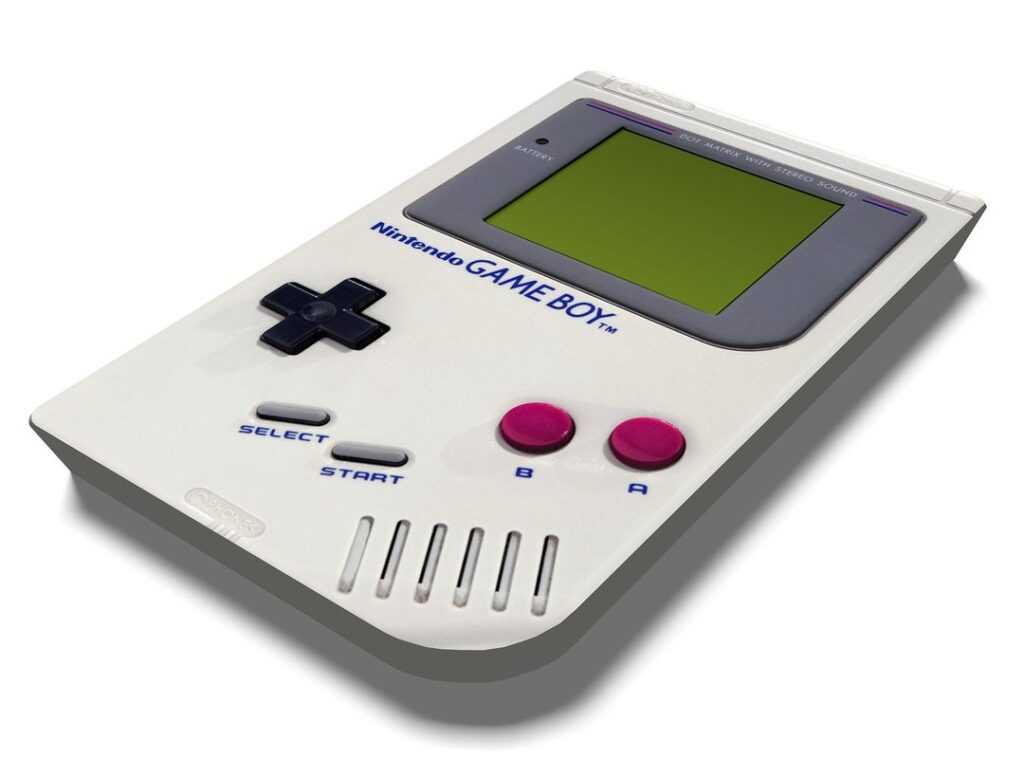
Nostalgia hits hard when I think about the worlds crafted in the 90s game level design. Those blocky landscapes and pixelated dungeons had a charm that feels almost magical now. But how did developers create such iconic environments with limited technology?
That question bugs a lot of us. I want to peel back the layers and reveal the ingenious techniques and creative constraints that defined those environments.
I’ve spent years immersed in the golden era of gaming and I appreciate the artistry behind it. This isn’t just surface-level nostalgia; I want to share takeaways that dig deeper.
You’ll discover how these designers balanced creativity with technical limitations. It’s a fascinating process that shaped the games we loved but also influenced how we experience gaming today.
By the end of this article, you’ll appreciate the flavor of those classic designs even more. Ready to dive in? Let’s go.
The Pixelated Palette: 90s Game Level Design
Ah, the 90s. A time when video games were pixelated masterpieces, not hindered by their limitations but rather defined by them. Low polygon counts and limited texture memory might sound like constraints, but they were the secret sauce that made 90s game level design iconic.
Remember the simple geometry and fog effects? They weren’t just clever tricks; they were art.
Developers had to be resourceful. Repeating textures and bold color palettes turned technical limitations into a playground for creativity. Who needs realism when stylization gives a game its soul?
You can’t deny the charm of blocky characters and jagged landscapes. They made us use our imagination, filling in the gaps with our minds.
Some argue these constraints held back true artistic expression. But did they? I don’t think so.
They forced developers to think outside the box, creating unforgettable experiences. A game didn’t need lifelike graphics to be engaging. It needed heart.
Want to dive deeper into this world of retro gaming? This guide unravels more about how developers maximized impact with minimal resources. You’ll see why the 90s were a golden era, not despite these limitations, but because of them.
Crafting Worlds: Secrets of 90s Design
When I think about 90s game level design, it’s like opening a time capsule. That era was all about innovation within tight limits. Take polygon modeling.
We had to work with sparse polygons, snapping vertices like a game of Tetris. It was a real puzzle, optimizing every piece to fit snugly and run smoothly.
Texture mapping was another trick up our sleeves. We used tiny, often low-res textures, tiling them to create the illusion of a bigger world. Palette cycling was a lifesaver for adding variety without extra memory.
And don’t get me started on sprite-based environments. Those pre-rendered sprites brought games to life (think) of Doom’s notorious enemies as a prime example.
But, let’s not forget the magic of pre-rendered backgrounds. They offered stunning detail, giving us breathtaking visuals even on limited hardware. Remember Resident Evil’s eerie mansion?
All static, yet it felt so alive.
We didn’t just stop there. We blended these techniques to overcome hardware limitations, achieving effects that seemed impossible. Curious how we pulled it off?
This topic: level design dives deeper into the nitty-gritty. Those were the days of creating worlds that left players breathless, and honestly, I’m still amazed we managed it.
Ingenious Illusion: Tricks for Immersive Spaces
Ever wondered how 90s game level design pulled you into those pixelated worlds? It’s all about clever tricks. Take fog and draw distance.
It wasn’t just mood lighting. It masked pop-in and lightened the rendering load. Genius, right?
Then there were skyboxes and skydomes. Simple textures that made a flat world feel vast and open. They tricked your brain into seeing endless horizons.
And it worked. Lighting and shading were basic too. None of that fancy real-time stuff.
Just vertex lighting and pre-calculated lightmaps. Yet, they made everything pop.
Level design also played its part. Corridors, small rooms, and sightline blockers were not just about aesthetics. They managed rendering complexity.
You could get lost in these worlds without your console breaking a sweat. Remember “GoldenEye 007” or “Super Mario 64”? They mastered these techniques.
You don’t need modern tech to create magic. Just smart design.
Want to dive deeper into the evolution of these systems? You should read more. It’s fascinating how simple solutions created such immersive experiences.
Back then, they didn’t just build games. They created worlds. And it was all about the art of illusion.
Iconic Flavors: 90s Game Level Design
Ever wonder why Super Mario 64 still feels fresh? It’s all about that new 3D level design. Nintendo nailed it with simple geometry and lively textures.

Jumping around those pixelated landscapes felt like magic. You can’t beat that sense of freedom.
Then there’s The Legend of Zelda: Ocarina of Time. Who didn’t get lost in Hyrule Field? The use of fog was clever, hiding the technical limits yet enhancing the mystery.
Each area had a vibe. Like stepping into different worlds. How did they even come up with such distinct styles?
And let’s not forget the gritty feel of Doom and Quake. They were pioneers in 2.5D and the early true 3D environments. The texture warping and industrial aesthetics?
So ahead of their time. They set the stage for every first-person shooter since.
The artistry in Resident Evil and Final Fantasy VII? Unreal. Those pre-rendered backgrounds looked stunning and packed an artistic punch.
They brought a whole new level of depth to storytelling.
These games weren’t just visually iconic; they defined 90s game level design. They shaped how we experience games today. So, what made them so unique?
It’s a blend of creativity and technical genius.
Recreate the 90s: Modern Game Design Magic
Remember the charm of 90s game level design? It’s not just nostalgia (it’s) an art form. In today’s game engines, capturing that retro feel is possible if you know where to start.
You might think, why bother with low-poly models? Simple. They force creativity.
Embrace low-resolution textures, and you’ll find yourself painting pixels like it’s an art class for the soul.
Color palettes were limited back then. It wasn’t a flaw; it was a feature. Restrict your colors, and you’ll see a style emerge.
Mimicking old lighting is another trick. Forget your fancy PBR (Physically Based Rendering) techniques for a moment. Go for static lightmaps.
Simple, right?
Let’s talk post-processing. Want to feel like you’re back in front of that CRT TV? Add some scanlines or a pinch of chromatic aberration.
The magic lies in experimenting. You don’t have to replicate the flaws, but understand the spirit behind them.
Does all this sound a bit much? It’s really about capturing an era’s vibe, not just its visuals. Dive in, experiment, and you might just hit that sweet spot where retro meets modern.
And if you’re thinking, “Is this worth it?” Trust me, the journey back is half the fun!
Dive Back into Retro Gaming
Now you know how 90s game level design created those unforgettable worlds. The mystery’s gone. You can appreciate the clever techniques and creative limits that made them feel magical.
So why not fire up your favorite 90s game again? Experience it with fresh eyes.
Or maybe you’re inspired to craft your own retro-inspired environments.
Either way, don’t stop exploring the rich history of gaming. The design principles are timeless.
Get started today. Rediscover the joy that these classic games brought you. Embrace the adventure and let nostalgia fuel your creativity.
 Founder & Creative Director
Lambro Lykosinos is the visionary behind HMCD Retro, driven by a deep passion for classic gaming and digital nostalgia. He founded the platform to preserve and celebrate retro gaming culture in a modern, accessible way. With a strong eye for storytelling and design, Lambro leads the creative direction and overall content strategy. His expertise spans game analysis, industry trends, and community building. He is committed to delivering authentic, high-quality content for dedicated gamers. Through his leadership, HMCD Retro has evolved into a trusted hub for retro enthusiasts. Lambro continues to shape the platform’s voice and long-term vision.
Founder & Creative Director
Lambro Lykosinos is the visionary behind HMCD Retro, driven by a deep passion for classic gaming and digital nostalgia. He founded the platform to preserve and celebrate retro gaming culture in a modern, accessible way. With a strong eye for storytelling and design, Lambro leads the creative direction and overall content strategy. His expertise spans game analysis, industry trends, and community building. He is committed to delivering authentic, high-quality content for dedicated gamers. Through his leadership, HMCD Retro has evolved into a trusted hub for retro enthusiasts. Lambro continues to shape the platform’s voice and long-term vision.